
Congratulations to the new Bishop of Wagga Wagga
On behalf of the Australian Province, we would like to congratulate our brother Bishop Mark Edwards OMI on his appointment as the seventh Bishop of the Diocese of Wagga Wagga.
While the Oblates do not serve in the Diocese, we are delighted that the Oblate charism will be shared with the people of Wagga Wagga through Bishop Mark.
Please find attached the Melbourne Archdiocese Media Release. Link


Feast Day Message - Fr Christian Fini OMI
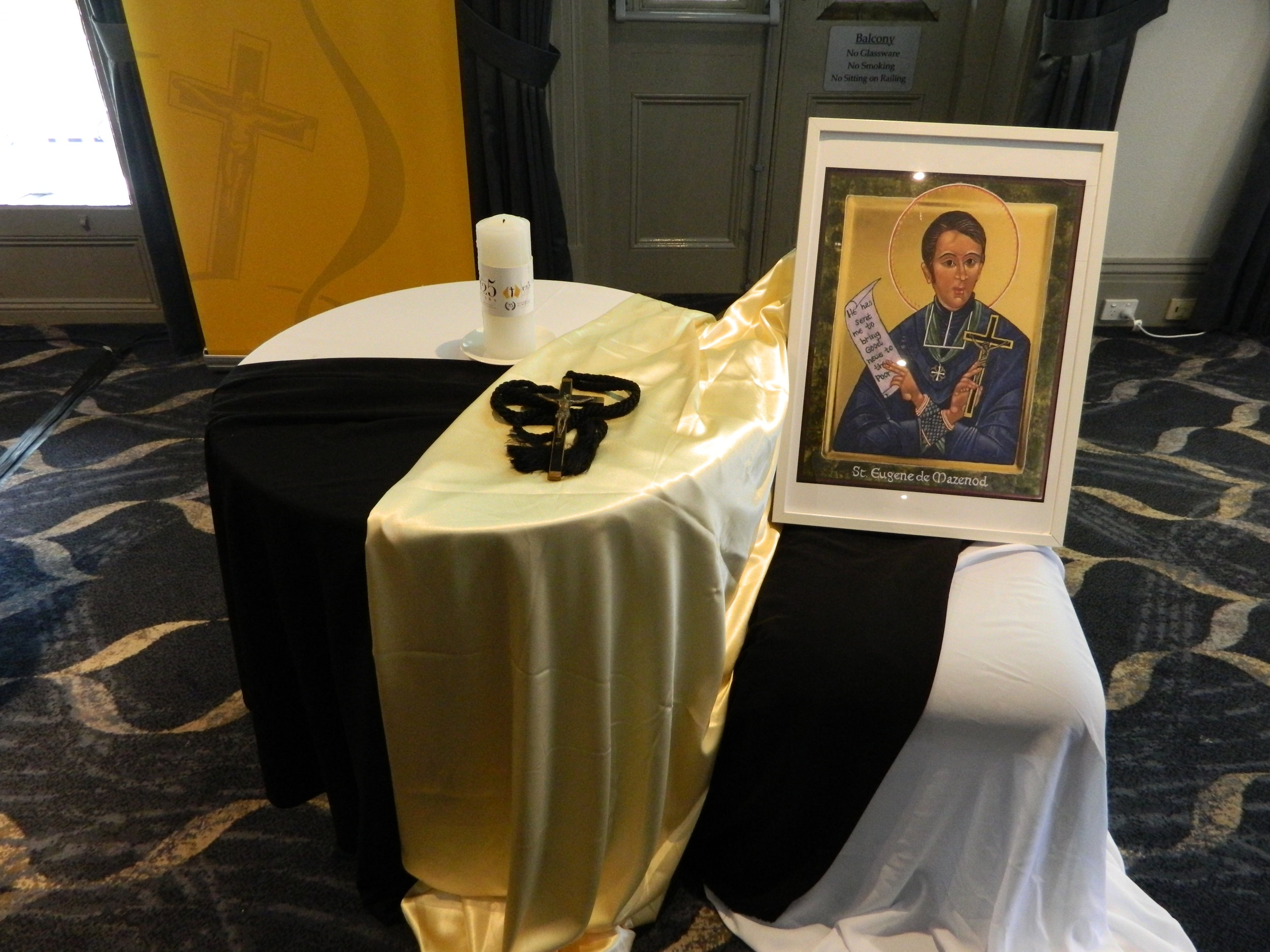
On the 21st May, we celebrate the feast of St Eugene de Mazenod, father of the Oblates of Mary Immaculate and the De Mazenod family.
On the 21st May, we celebrate the feast of St Eugene de Mazenod, father of the Oblates of Mary Immaculate and the De Mazenod family. For the Australian Province, this may be the first time we celebrate the Feast Day with a more formal sense of our De Mazenod Family identity since our De Mazenod Family Gathering in August 2019. Who could have imagined the situation we find ourselves in today when we gathered last year, yet we have managed to continue developing the De Mazenod Family spirit in the Australian Province.
Like any father, we look to him as an example, and we model our lives on him. There are many characteristics of de Mazenod, which I find appealing, but at the moment amid this Pandemic, his ability to be daring and creative seem to stand out.
As a young man, he experienced instability first hand when his world was turned upside down by the French Revolution, becoming a refugee. His experience growing up gave him great resilience and a sense of daring to try new things and never give up in proclaiming the Word of God.
Let us pray on this feast of St Eugene de Mazenod for his intercession our behalf to God, that we might follow in his footsteps of daring and creativity as we face these challenging times together.
God bless
Fr Christian Fini


Easter Message from Provincial
Easter Message from Fr Christian Fini OMI, Provincial of Australia

Letter from St Eugene De Mazenod - Reflection
My dear children,
I, a man of the XIXth century, want, by this letter, to reach you in your times of the XXIth where, in this period of Lent 2020, you are going through a global health crisis. With my life experience, I would like to share this with you:
My dear children,
I, a man of the XIXth century, want, by this letter, to reach you in your times of the XXIth where, in this period of Lent 2020, you are going through a global health crisis. With my life experience, I would like to share this with you:
As a young priest in 1814 in Aix-en-Provence, my heart is bleeding today with you in front of so many anguished “poor people with many faces”, so many isolated or carefree young people, so many rebellious prisoners. On this subject, do not forget that I contracted typhus from Austrian prisoners of war and that, I owe healing thanks to the incessant prayer of young people in front of the Statue of our Lady of Grace.
As Superior General of a missionary Congregation, my heart is bleeding today with you before this pandemic which affects all continents: after Asia, now Europe, and already Latin America and Africa. To date, I see that more than a third of humanity is confined because of this virus.
As Bishop, my heart is bleeding today with you in front of the disarray of the People of God who cannot come together and celebrate. However, in 1848 – in quite a different circumstance certainly – remember that I had exempted the Christians of Marseilles from Easter Mass to allow them to go to vote! You? You are lucky to have the Internet! So, including praying and celebrating, I repeat: “for new needs, Charity invents new means”!
Like a Pastor too, I had to face the cholera epidemic of 1837 which ravaged our dear city of Marseilles. Being in the countryside at the time of the arrival of the plague, I immediately returned to the diocese to live these dark hours with the people of Marseilles, Les Marseillais. I remember a newspaper headline saying, “The future is in our hands.” Certainly, this is true. For you today, it is in the hands of experienced health professionals, researchers, cashiers, police, authorities … But the future is primarily in the hands of God. So, my turn to tell you, “don’t be afraid”; and with another message dear to my Oblate sons: “But pray my dear children, God will hear you in no time”; our Lord Jesus Christ, full of tenderness and mercy, lets himself be touched. He will not abandon you.
I share with you the grief and mourning of all those who have already lost a loved one, victim of this scourge. Myself, I was very hard hit by the death of my most faithful servant at the bishop’s house during the cholera. Again, this loss made my heart bleed. At the end of the epidemic, I celebrated a solemn service at the cathedral for all the victims.
One more piece of advice: invent the means to take care, to show interest and to have concern for the families hit by this terrible epidemic, for families and isolated people, confined on their own. It is important that no one is forgotten.
Finally, remember that at the beginning of the epidemic of 1837, my first gesture was to go up to Our Lady at Notre Dame de la Garde, to celebrate Holy Mass there and to ask Our Good Mother to intercede for us with her divine Son. So, my dear children, today also turn to her, with the same confidence.
Charles Joseph Eugène +
Wednesday, March 25, 2020, on the feast of the Annunciation.
Bernard Dullier, omi

Message from Provincial
Dear De Mazenod Family, It is with great sadness we have received instructions from the Bishops to suspend all public liturgies, including celebrations of the Mass, until further notice.
Dear De Mazenod Family,
It is with great sadness we have received instructions from the Bishops to suspend all public liturgies, including celebrations of the Mass, until further notice.
While this is difficult and devastating for us as a people that define ourselves through the celebration of the Eucharist, especially as we move towards Easter Season, it is a measured and correct response to the current escalating seriousness of COVID-19.
What we are being asked to do is so counterintuitive to our human nature: in challenging times we want to gather and support one another. We need to find new and creative ways to do this. The Oblate hope is to be live streaming Mass from Camberwell and special events, and to be putting other resources online. These will be available at www.oblates.com.au.
We are living through unprecedented times.
I know for myself my mood has shifted in these days from a degree of disappointment and frustration because I have had to make changes to my plans (which my character type doesn’t naturally like doing), to a degree of concern and unease at not knowing what the future may hold. It seems for the first time in my life, and maybe in the lives of many who have lived surrounded by wasteful abundance, we don’t know what the immediate future holds. I think the humble roll of toilet paper is somewhat symbolic of this tension, a creature comfort unimaginable to live without. It reminds us that our hearts and minds have been filled with false hope that we are in control.
Our modern society wants to play god with everything, stockpiling weapons to be the strongest, curing every disease and living forever, having a right to have everything on demand and having the money to solve every problem. We want to be in control and we pretty much think we are in control, yet, a tiny microscopic virus seems to have put everything on hold.
While we must be prudent and follow every Government direction, we cannot be paralysed by fear. Many people will be paralysed by fear and panic because for them, there is no life beyond the present and no real meaning to life. This contagious extreme secularism pervades our community. I pray that as people of faith we can be a people of hope. While the formal celebration of the Eucharist is suspended, we are the living Eucharist, looking beyond ourselves and our own needs to be the presence of God in our world. Part of the journey of faith is a sense of surrender, living with mystery and not having all the answers; otherwise it would be science and not faith.
In moments like this, the Gospel that comes to mind is the account of the disciples crossing the Sea of Galilee when a sudden storm risks sinking their boat. After exhausting their abilities to save themselves, they become paralysed by fear and remember that Jesus is there amongst them on the boat sleeping. “Save us, Lord, we are lost! And he said to them “Why are you so frightened you who have so little faith?” (Matt 8:24-35). Let us never forget that in the midst of all of this Jesus is amongst us.
It is important that you know that the Oblates will continue to celebrate the Eucharist privately in our communities, for your intentions. The Oblates remain committed to serving the Mazenod Community, and will be available to support families through anointing of the sick and other pastoral needs as they arise.
Be assured of my prayers.
God bless
Fr Christian Fini OMI

Fr Andrew Chen OMI
New Rector of St Mary’s Scholasticate in Camberwell.
The Oblates are very pleased to announce the installation of Fr Andrew Chen OMI as the new Rector of St Mary’s Scholasticate in Camberwell, Victoria. Fr Andrew was installed on Monday February 17. He comes to the role following 2 years as on the formation staff.
The Provincial Council would like to express thanks to Fr Daniel Szewc OMI for his leadership of the St Mary's Community and Formation program for the last six years. Fr Daniel’s was influential moving St Mary’s to 649 Burke Rd and involved in building and setting up the new St Mary’s on 647 Burke Rd.


Young people from Oblate Parishes and Schools gather for NOYE 2020!
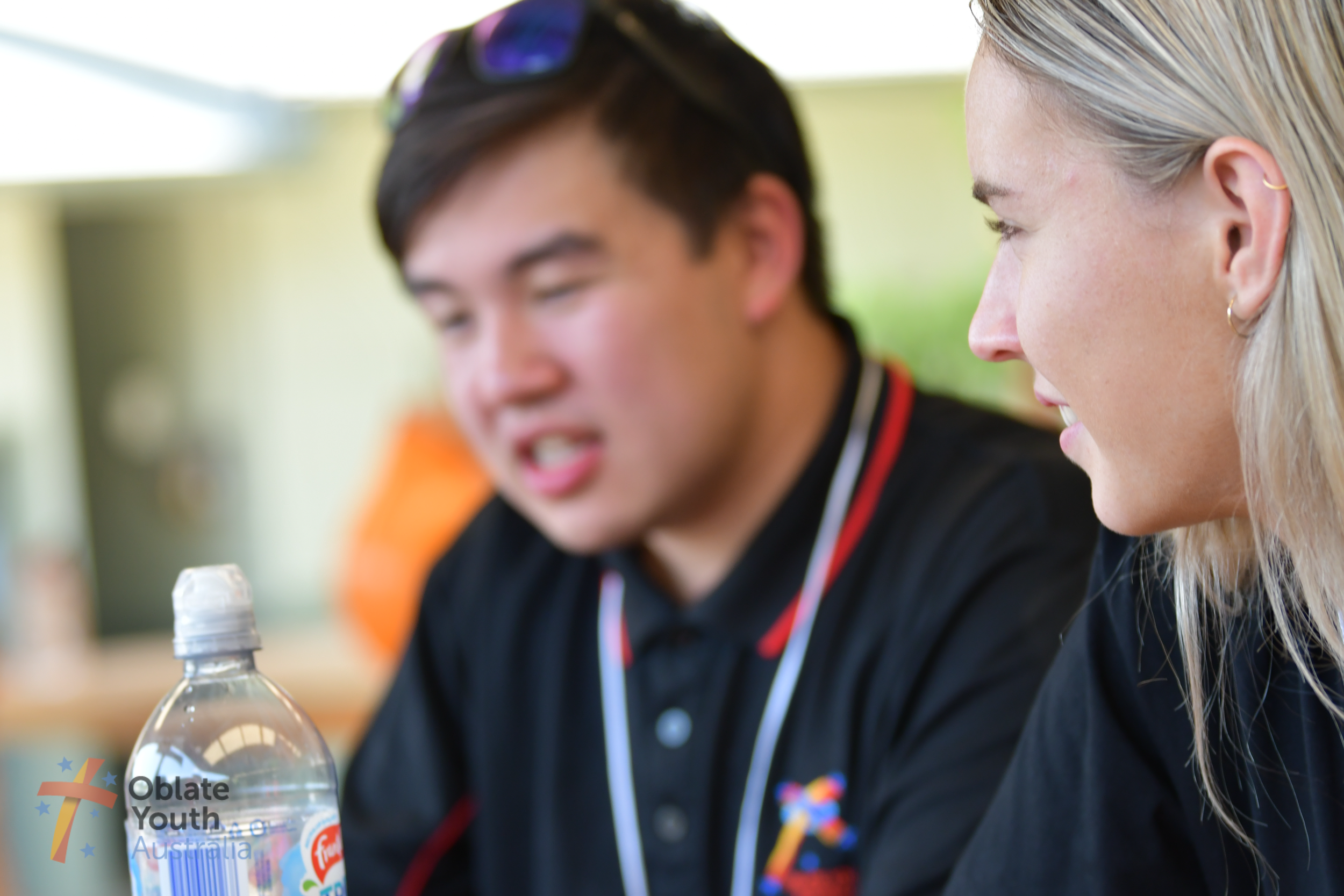
National Oblate Youth Encounter was another successful camp! This year we had over 105 people attend. The support from the Oblate communities around the country helped us break triple figures for the first time in many years, with our venue at capacity.
National Oblate Youth Encounter 2020!
National Oblate Youth Encounter was another successful camp! This year we had over 105 people attend. The support from the Oblate communities around the country helped us break triple figures for the first time in many years, with our venue at capacity.
This year’s theme “mission is possible” gave us the opportunity to understand exactly what mission is in our lives and how we can go about living out this mission. We were able to break this topic down through three daily talks given by representatives of our Oblate Youth community. Mission for young Catholics can often be challenging in today’s world, however given the opportunity to gather together as a community of young people inspired by the oblate charism enabled us to see that mission really is possible. Encounter was not only a chance to meet with new people from the various Oblate communities, but to personally encounter Jesus through sharing, adoration, reconciliation, and prayer.
This year we were joined by eight Oblates for the whole camp. Their support and presence was hugely appreciated, helping the young people to talk with and understand the Oblate charism on a deeper level. Over the four days, we found ourselves reflective, joyous and moved, and we can’t wait to do it all again next year. If you’d like to get a more detailed look at this years Encounter, please see the links below to our daily recap videos and check out the photos below!
DAY ONE
DAY TWO
DAY THREE




Christmas Message
On behalf of the Oblates of Mary Immaculate,
I would like to wish you all a Holy and Blessed Christmas.
May this season, often filled with so many things, be a time of recognising that God is here amongst us.
I would like to thank you for supporting us this year. We give thanks for the blessing of this year, especially the 125th Anniversary of the Oblates arriving in Australian, and we ask God’s blessings on 2020.
God bless
Fr Christian Fini OMI


Fr David Shelton OMI, RIP
RIP- Fr David Eddie Shelton OMI

It is with great sadness that the Australian Province announces the death of Fr David Shelton OMI, on 12th December, 2019.
Fr David had been suffering from a form of Lymphoma; he had just been admitted for scheduled Chemotherapy and died quickly and peacefully in the hospital.
Fr David was a missionary from the Anglo Irish Province and a great gift to the Australian Province and Church. Fr David Shelton was born on the 25th June, 1941 in Stourport, UK, had one sister, and was educated at St Mary’s Colwyn Bay, Wales. He joined the Oblates in 1958 at Cahermoyle, Ireland, studied at Belmont and Piltown, and was ordained 11th February, 1968 in Birmingham.
His first obedience was to Australia, and he spent from 1968 to the end of 1970 as assistant priest at Hillcrest Parish, SA. In 1971 he went to Indonesia as one of the first 4 Oblate missionaries, with Kevin Casey, Pat Moroney and Pat Slattery, and worked in Purwokerto East and then Cilacap with Kevin Casey.
In 1983 he returned to Australia to be briefly the assistant priest at Our Lady of Fatima, Rosebud (Victoria) then assisted at Sefton (NSW) till early 1987 when he went to be an assistant priest at Dernancourt, Adelaide for 2 years. Six years as Sorrento parish priest followed, then a year assisting at St John Vianney’s, Springvale North, then some short supplies in various places before settling in WA as prison chaplain based at Fremantle.
Fr David excelled in this ministry for well over 20 years with his great compassion and care for the poor, often building relationships with prisoners and assisting them and their families. Fr David had two big interests – tennis and Formula 1 racing. He traveled around following F1, to Melbourne for the Australian grand prix, and overseas. In March 2016 while he was leaving the Australian grand prix, he suffered a major heart attack and was out of action for the remainder of the year
. Fr David had a big heart, did little acts of kindness, was great with the down and out; he was loyal, with a wicked sense of humour, and loved food and drink.
The Australian Province thanks God for the gift of Fr David Shelton OMI.
(Requiem Mass details Mazenod College Chapel Friday 20th December at 11:00am Burial at Springvale Cemetary followed by refreshments )
Spanish Martyrs Feast Day

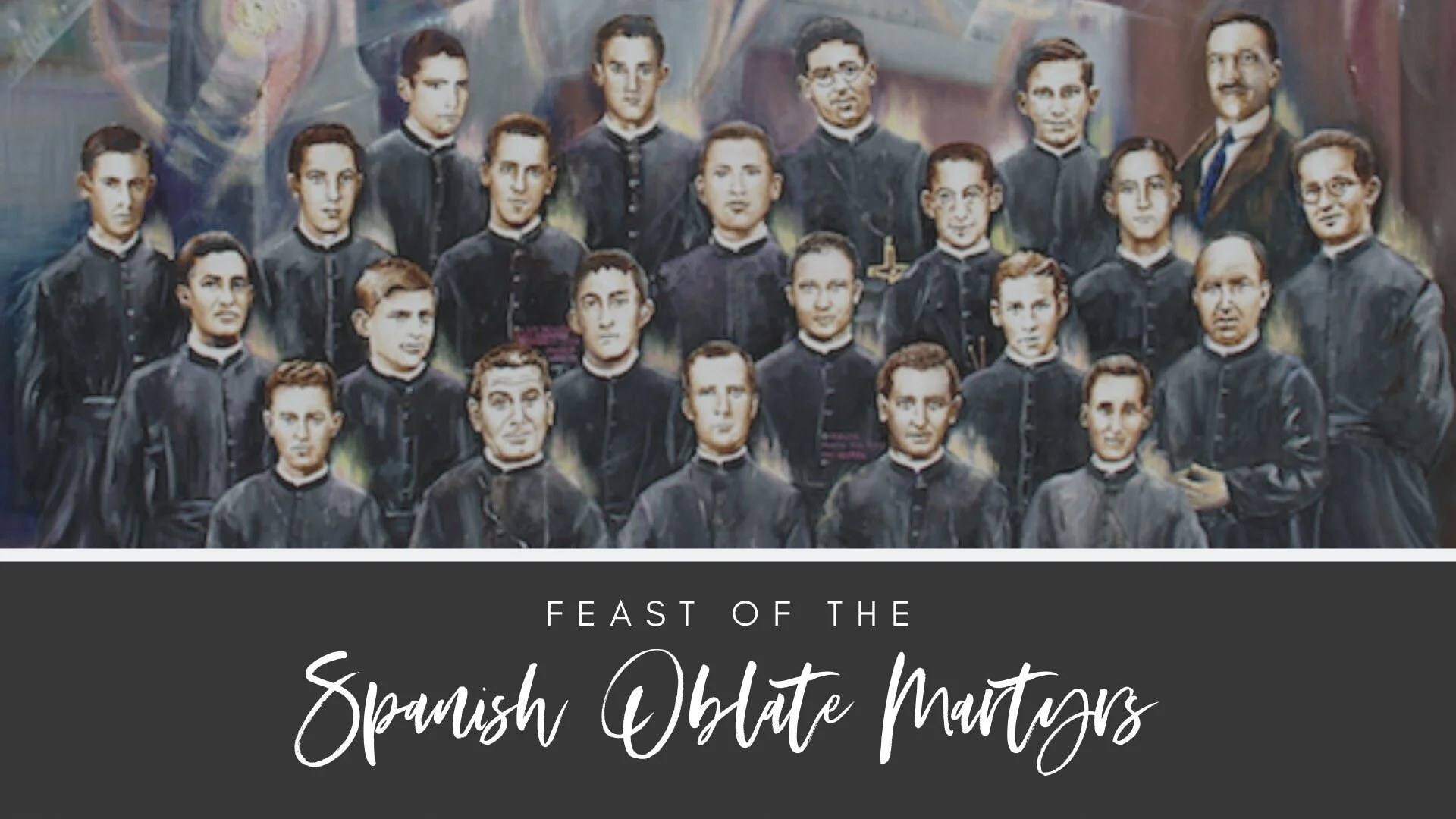
On 28th November, we commemorate the martyrdom of 22 Spanish Oblates and 1 Spanish layman in 1936 during the Spanish Civil War. Today marks 83 years since these seminarians and the layman were killed for their religious beliefs.
During the Spanish Civil War, there were anti-religious tensions, which led to the persecution of many priests and religious. The Oblate seminary in Pozuelo, near Madrid, became a target of these revolutionaries. Over three separate occasions, the Spanish Oblates were taken away from the seminary and were shot dead. On December 17, 2011, Pope Benedict beatified these Spanish Oblates and the layman.
An Oblate priest said that these “martyrs were killed as a community. They never became priests and they never became missionaries. But today they are witnesses. They are witnesses of genuine faith and of the Christian life.”
God our Father, we thank you for lives of the 23 Spanish Oblate martyrs who have joined the company of saints in heaven with you. We thank you for the gift of their courage and faith to spread the Good News of your Son, Jesus Christ, even in the face of persecution.
Help us to experience the courage to express our faith that these men were able to demonstrate through their love for you, especially in times where we feel persecuted or judged for our Christian beliefs and values.
May we continue to serve the wider De Mazenod Family, following the example of the Spanish Oblate martyrs and the Oblate priests of our community who continue to serve us.
We ask this through Christ our Lord.
Amen.
Link to more information and a short video.


Introducing our De Mazenod Family Charism Coordinator - Nimmi Candappa
Introduction of Ms Nimmi Candappa as the new De Mazenod Family Charism Coordinator.
Here is a quick clip introducing the new role of Charism Coordinator, initiated in response to feedback from the 125 year Oblate conference held in Fremantle. The role is among many initiatives taken to deepen our affiliation with the larger Oblate community groups, and grow as a Mazenodian family.

Oblate Youth Australia Family Day
On Sunday, Oblate Youth Australia gathered together for the OYA Family Day. It was a chance for OYA members, past and present, to get together to catch up and see what’s been happening in our Oblate Youth Family.
On Sunday, Oblate Youth Australia gathered together for the OYA Family Day. It was a chance for OYA members, past and present, to get together to catch up and see what’s been happening in our Oblate Youth Family.
The morning began with Mass in the Mazenod Chapel, followed by morning tea. It was great to see the young people from OYA catching up with those that were a part of OYA back when it was just beginning. It’s great that we still have such a strong and active community, and that is because of the hard work and constant support of those who came before us. The OYA Family Day provided a snapshot of the past, present and hopefully future of Oblate Youth Australia and if the responses in Fini’s Homily were anything to go by, we are in good hands.


Fr. Peter Daly OMI, RIP
It is with great sadness that we inform you of the passing of Fr Peter Daly OMI.
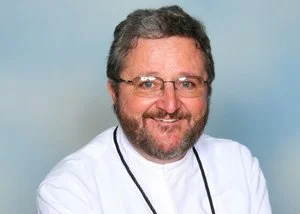
It is with great sadness that I inform you that Fr Peter Daly OMI, tragically passed away this morning.
Fr Peter experienced a seizure and collapsed on Thursday morning and was taken to Midlands Hospital in Perth where they discovered significant bleeding on the left side of his brain. He was taken to Royal Perth Hospital where he was to undergo emergency surgery to release the pressure on his brain. Unfortunately the operation did not go ahead, as Fr Peter’s condition deteriorated. Fr Peter never regained consciousness and sadly passed away Saturday morning.
As Fr Peter’s body was on life support, after discussion with his family, the decision was made to explore the option of organ donation. As Fr Peter lived a life of giving, we hope that there may be a possibility that his last action on this earth will be one of offering and giving to others.
Fr Peter made a significant contribution to Oblate Education, therefore, we are planning to have his funeral once staff and students at Mazenod College WA return from school holidays. It is envisaged that there will be a memorial service, for Family, Friends, Old Boys and staff of Iona, the weekend before the funeral in Brisbane.
Fr Peter’s first year as a priest was spent at St John Vianney’s Parish followed by Massey New Zealand; he then went on to spend six years at Iona College. His next obedience was five years at Mazenod College, Lesmurdie, as Boarding Master and Religious Co-ordinator. In 1992 he was based at Mazenod College, Victoria and then Natal Province, South Africa where he conducted parish missions before he returned to Mazenod College, Lesmurdie as Rector, from 1993-2001. He was then Rector at Iona College until the end of 2010, where he was the first old boy to become rector. Over the next few years, he had a sabbatical, assisted at St John Vianney’s andSt Eugene’s, and then served as Rector, Mazenod College Lesmurdie in 2014 and 2015. From 2016 through to January 2019 he was the Provincial of the Australian Province, following a short sabbatical before returning to Mazenod College Lesmurdie as Rector from April 2019.
We give thanks to God for the gift of his life, may he now rest in peace.
Fr Christian Fini OMI
Announcement from Fr Christian Fini OMI
Celebrating 125 Years of Oblate Charism
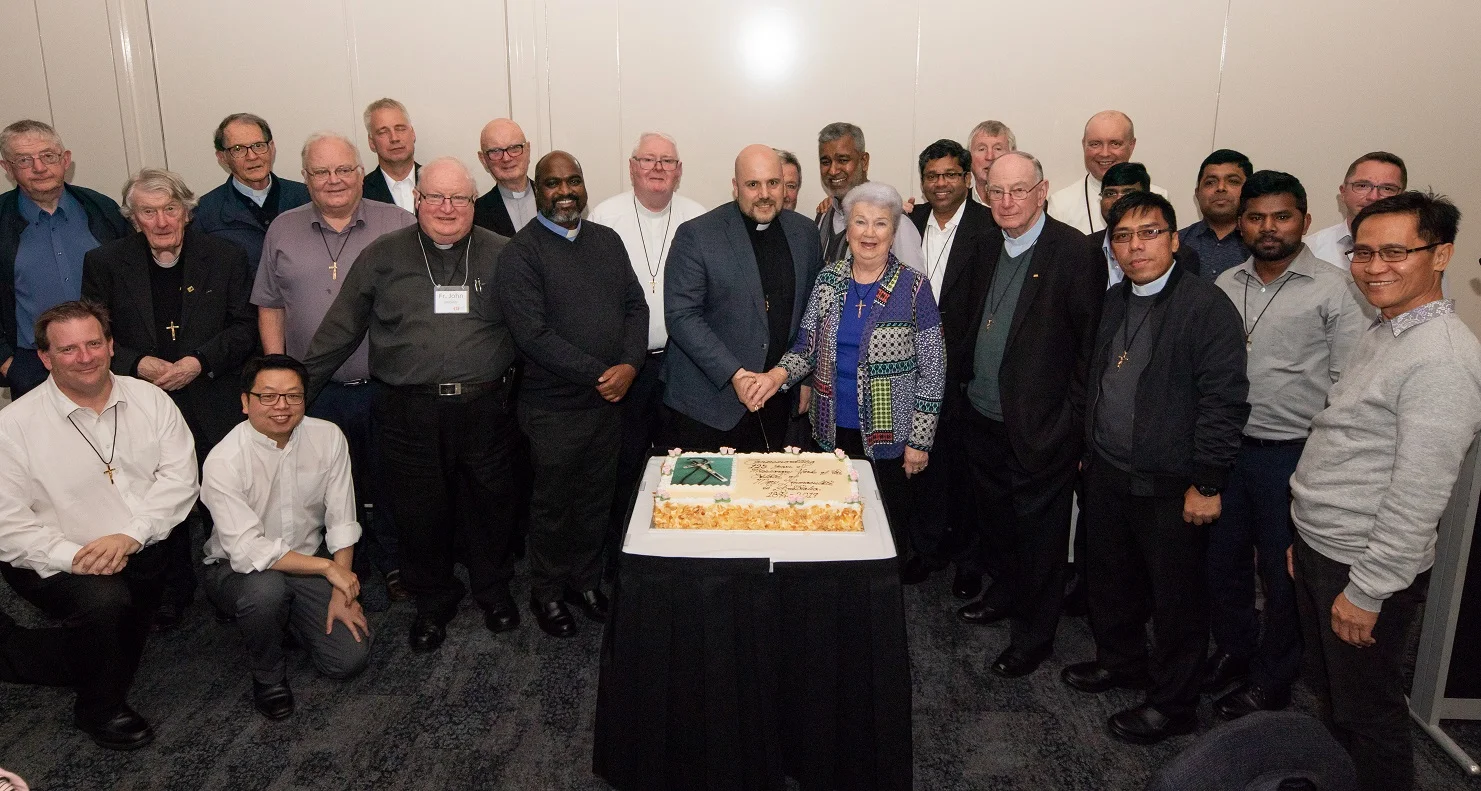
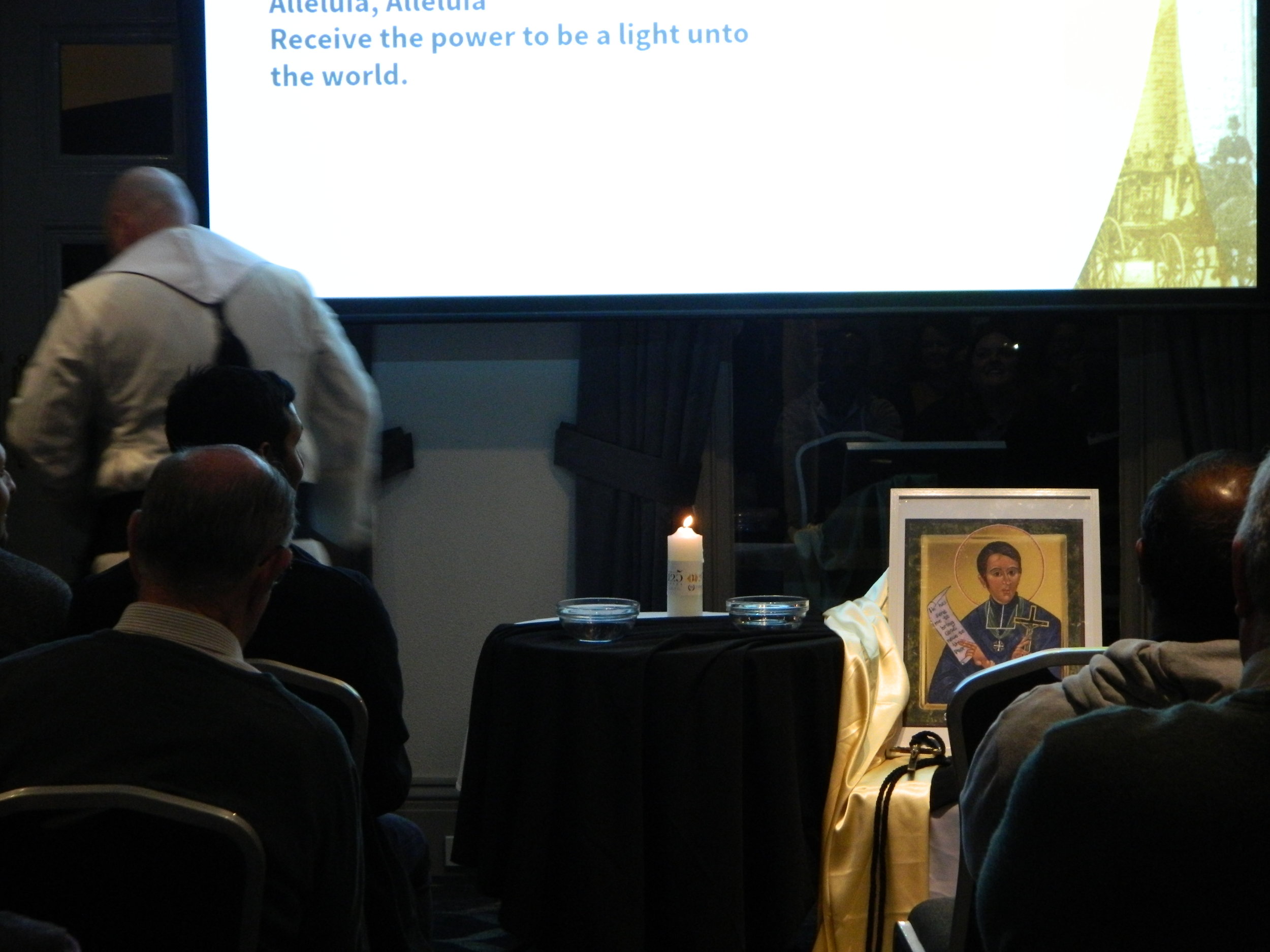
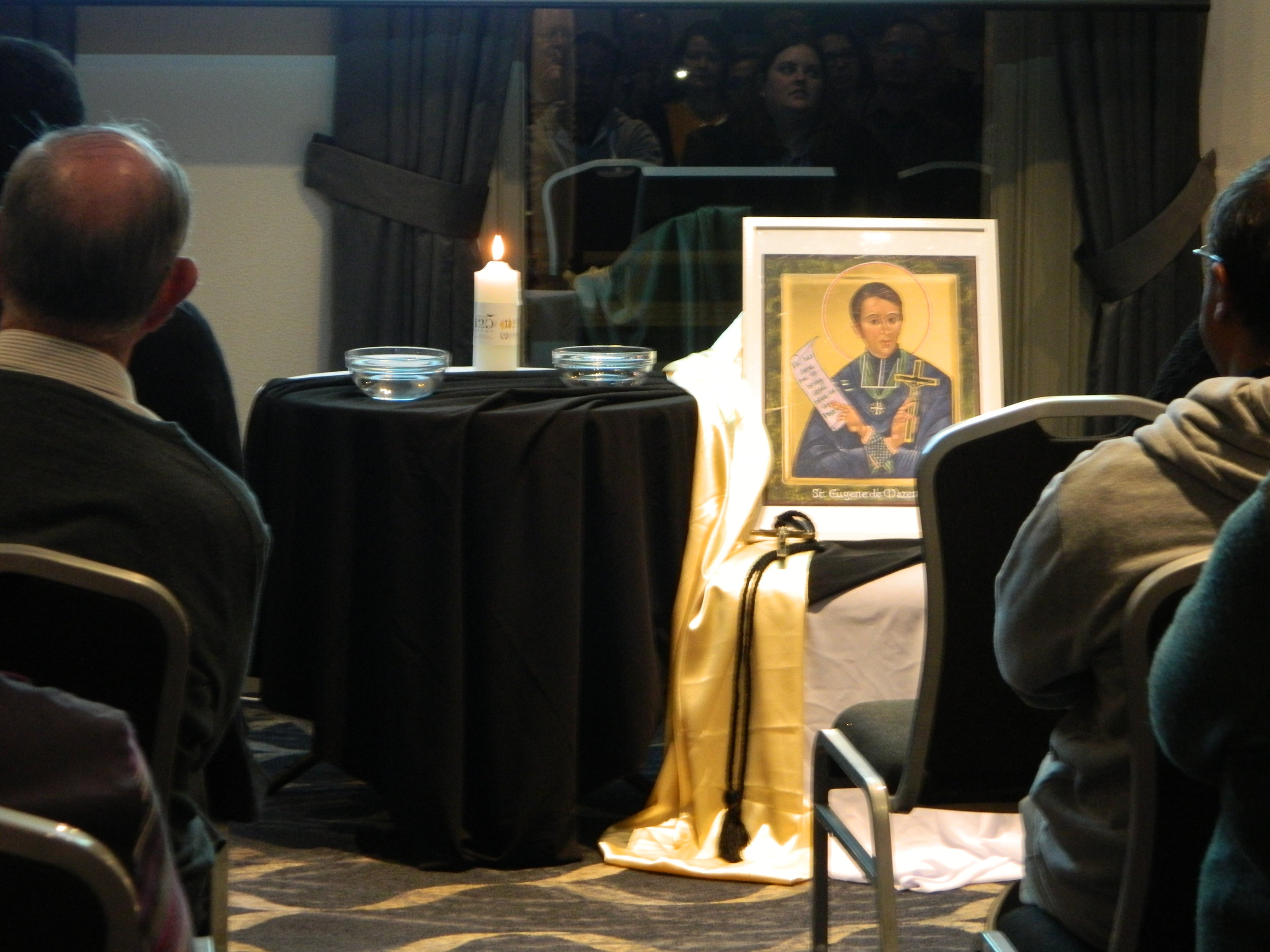
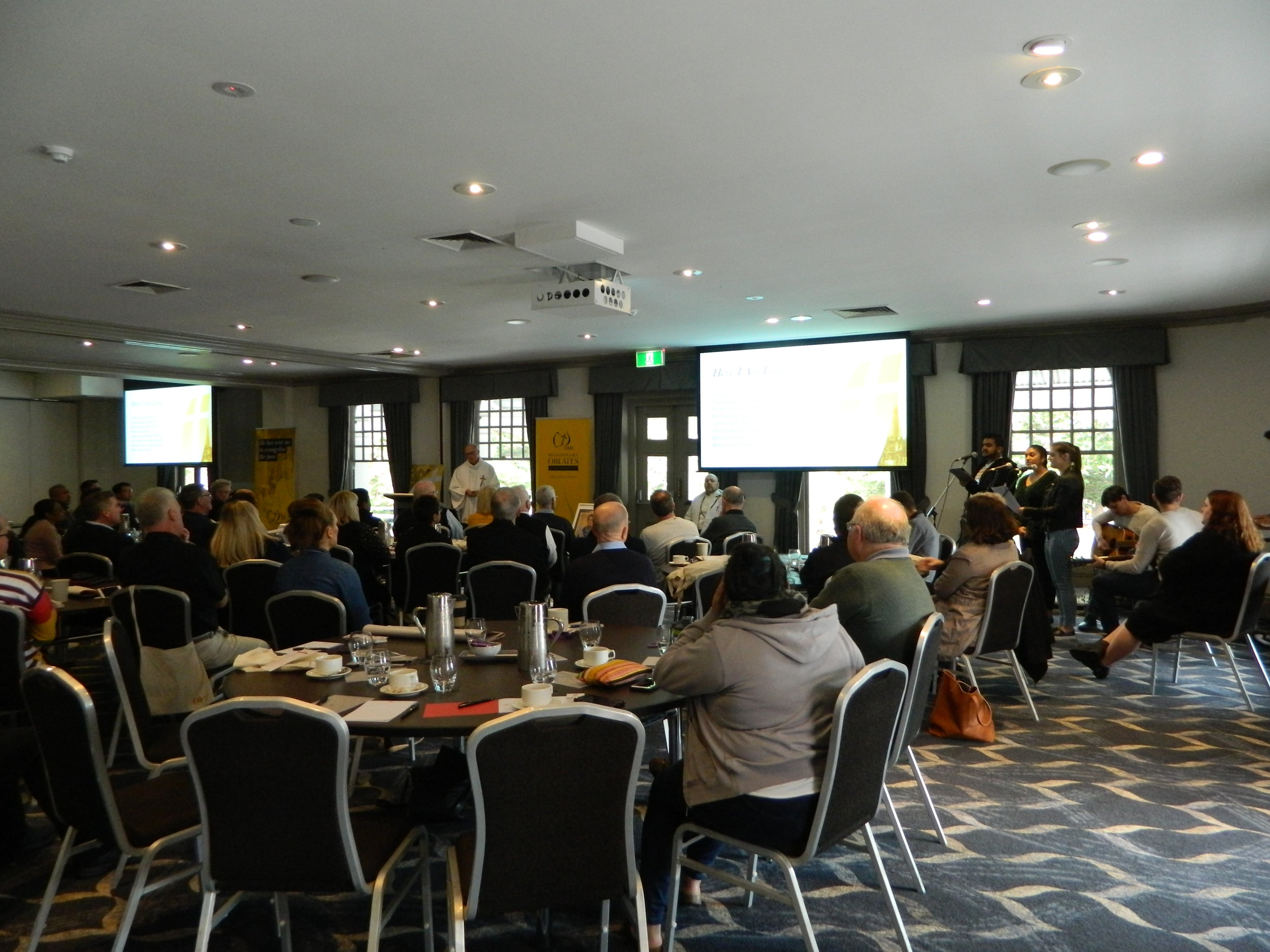
The Oblates of Mary Immaculate celebrated the arrival of the Order in Australia and the dedication of St Patrick’s Fremantle as a Basilica from 15 – 18 August.
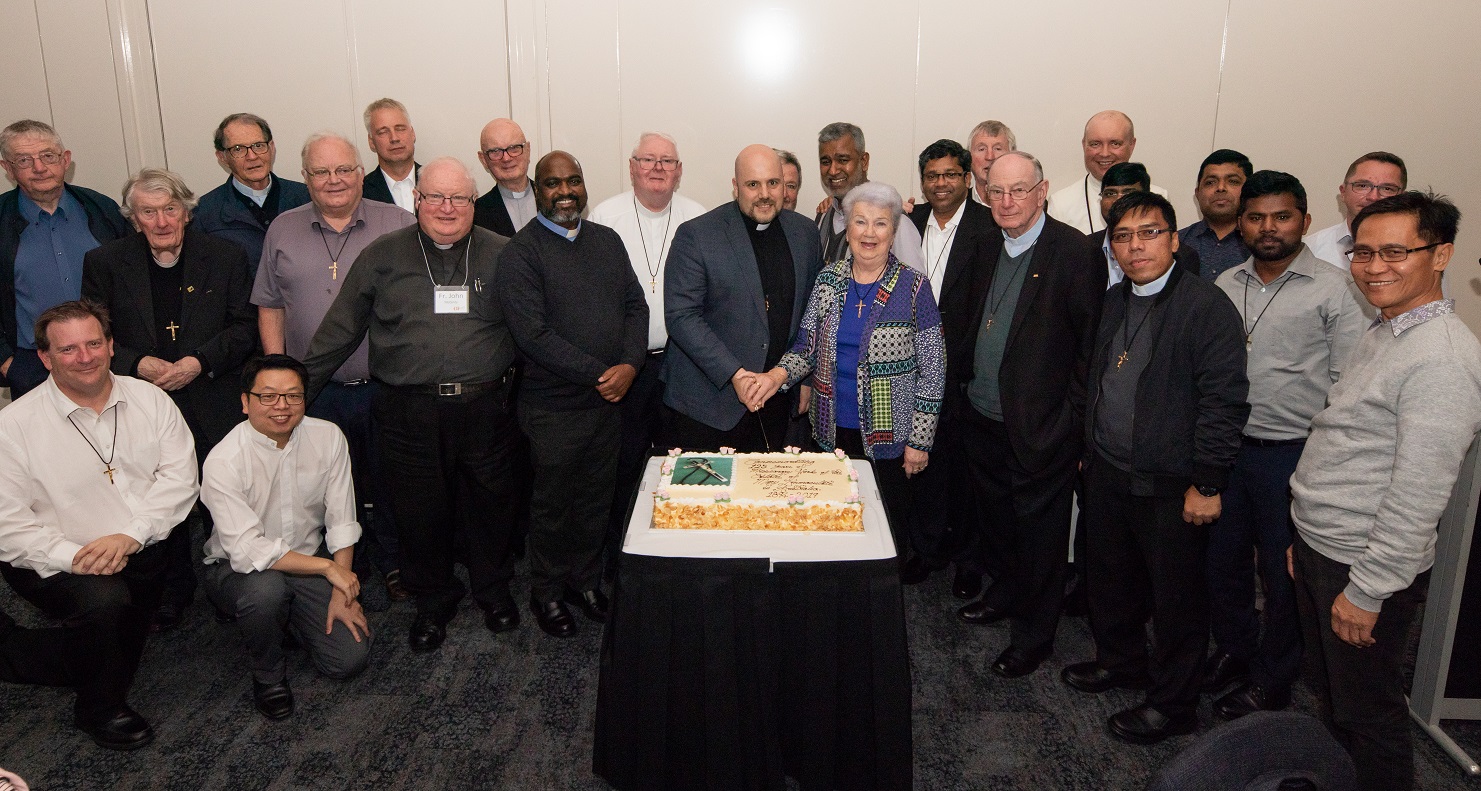
The Oblates of Mary Immaculate celebrated the arrival of the Order in Australia and the dedication of St Patrick’s Fremantle as a Basilica from 15 – 18 August.
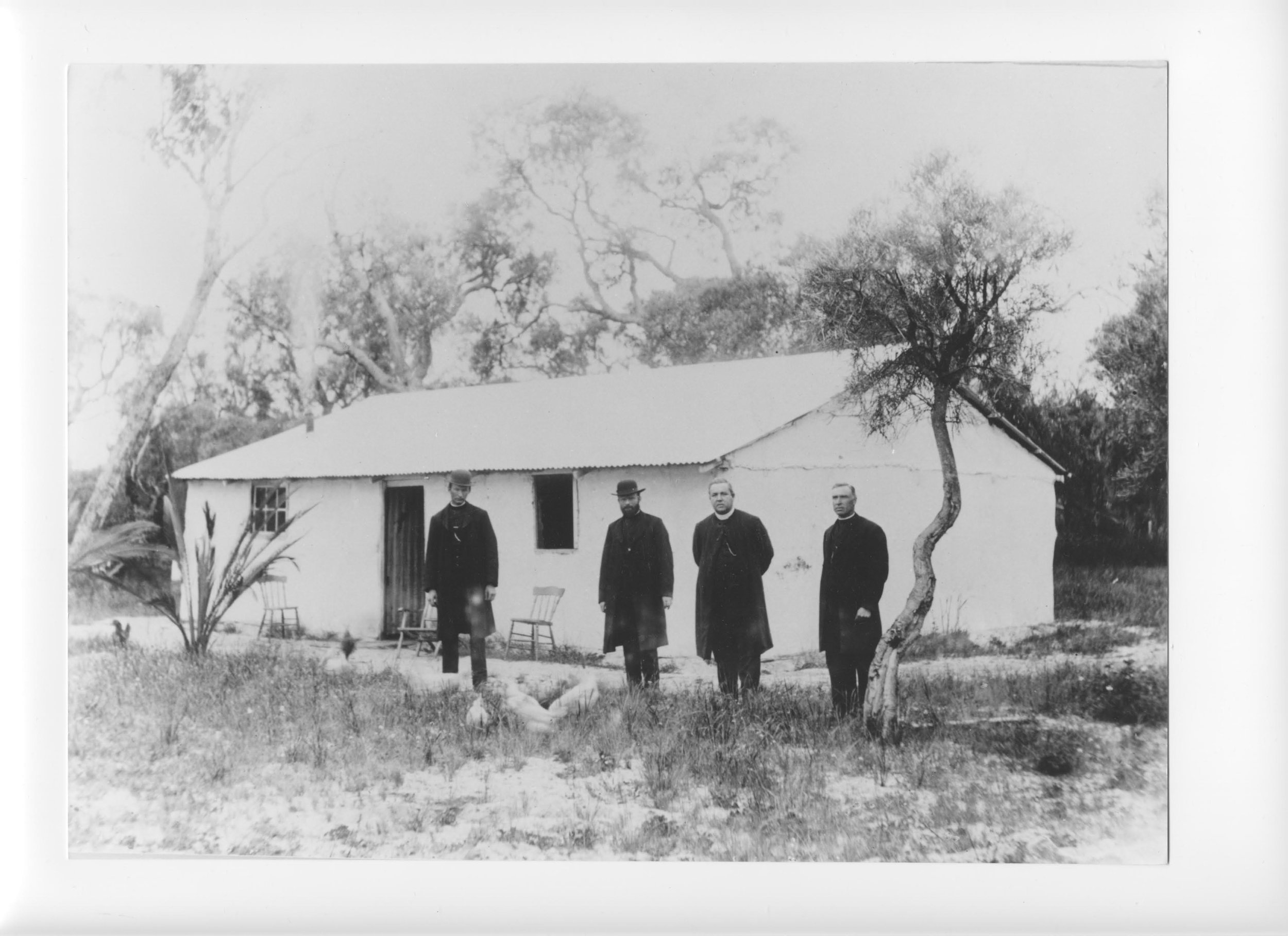
The Oblates first landed in Fremantle in 1894, under the supervision of Fr Gaughren OMI, the Anglo-Irish Provincial who was accompanied by two other priests, Fr Daniel O’Ryan OMI and Fr Roger Hennessy OMI. On the evening of Thursday 19 July, the three priests were welcomed to our shores by 350 people.
The 125th Anniversary is an opportunity to give thanks for the past, to acknowledge the many blessings in our Province today and to prepare for another 125 years of service in Australia.
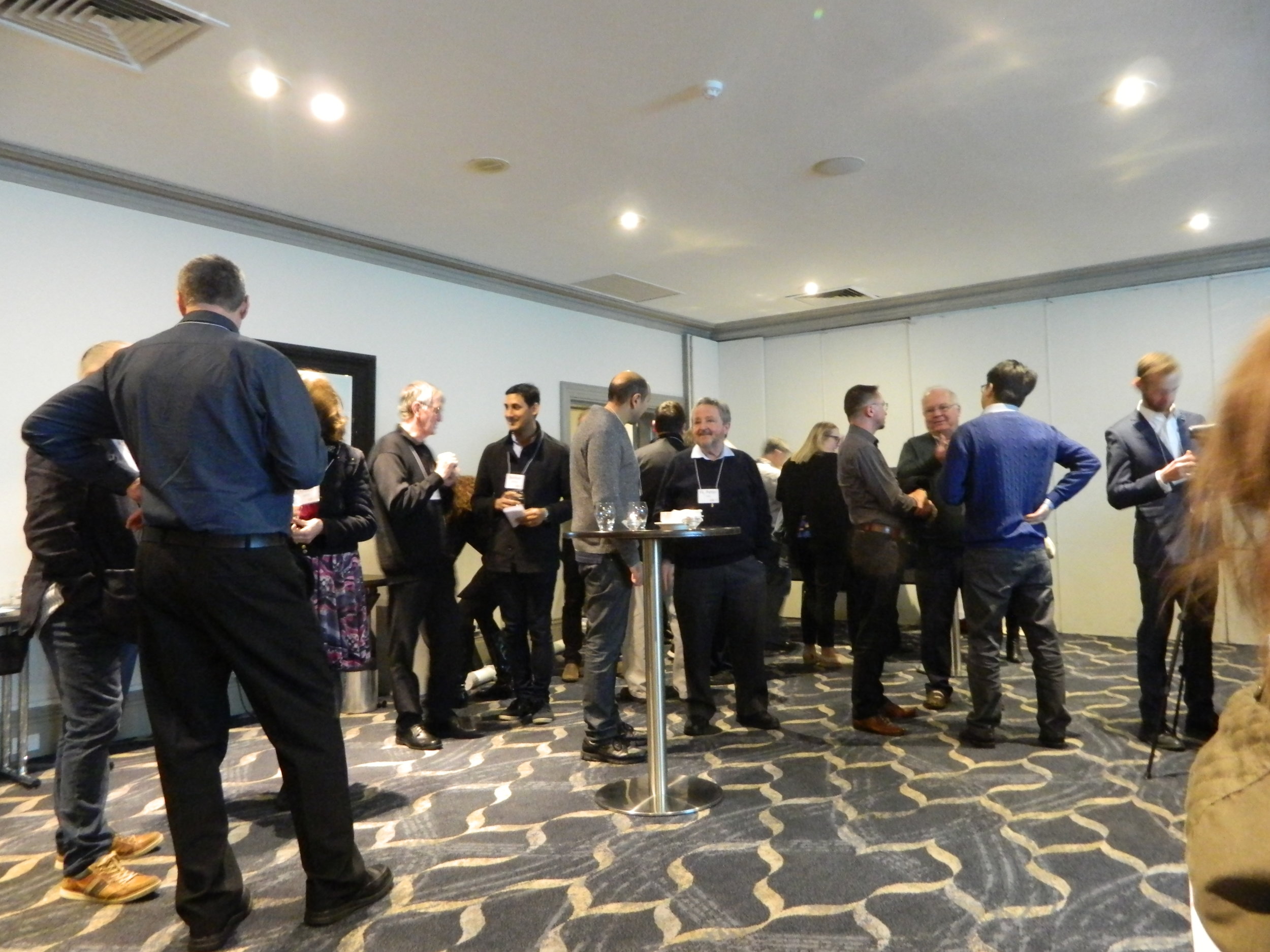
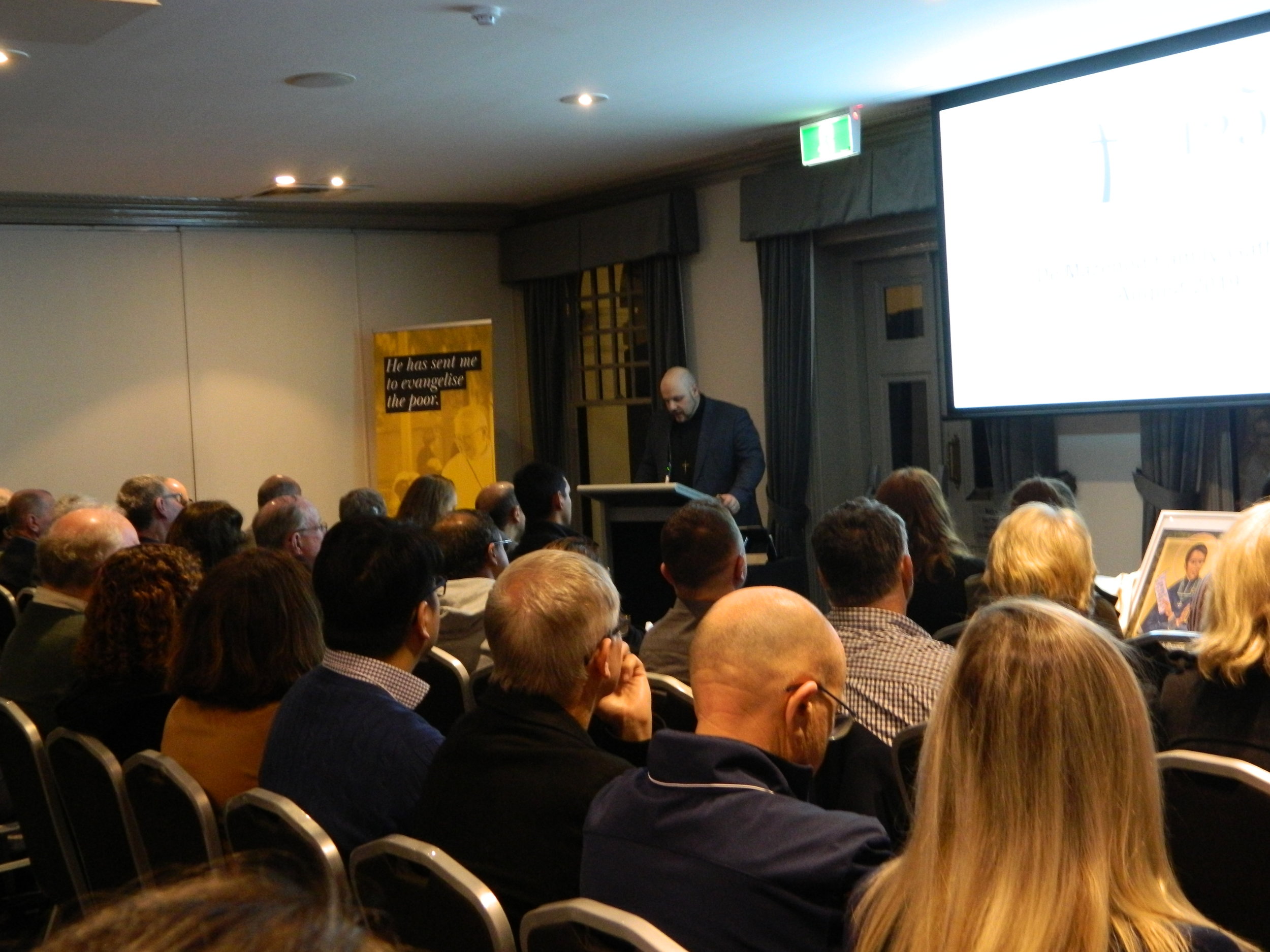
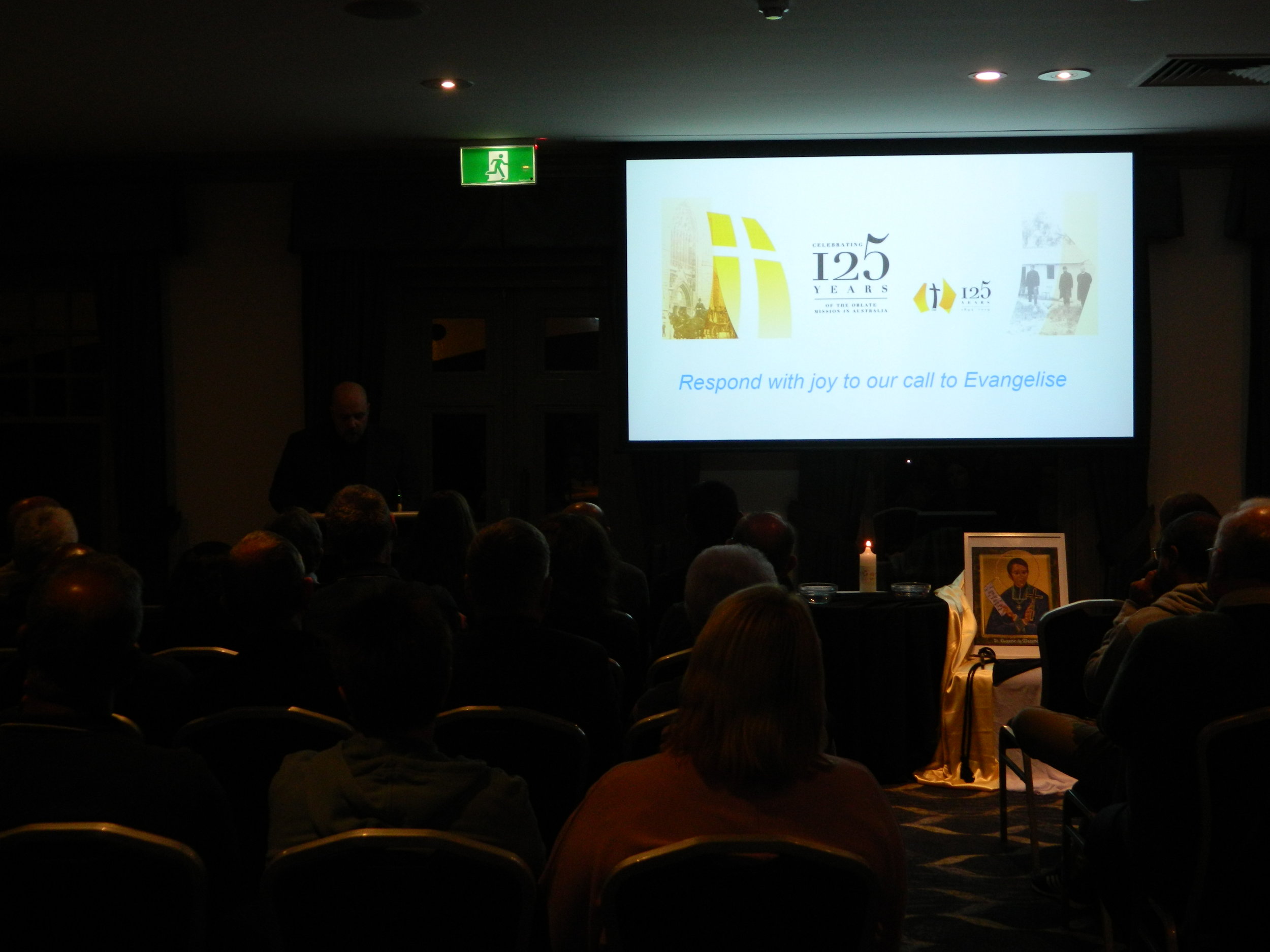
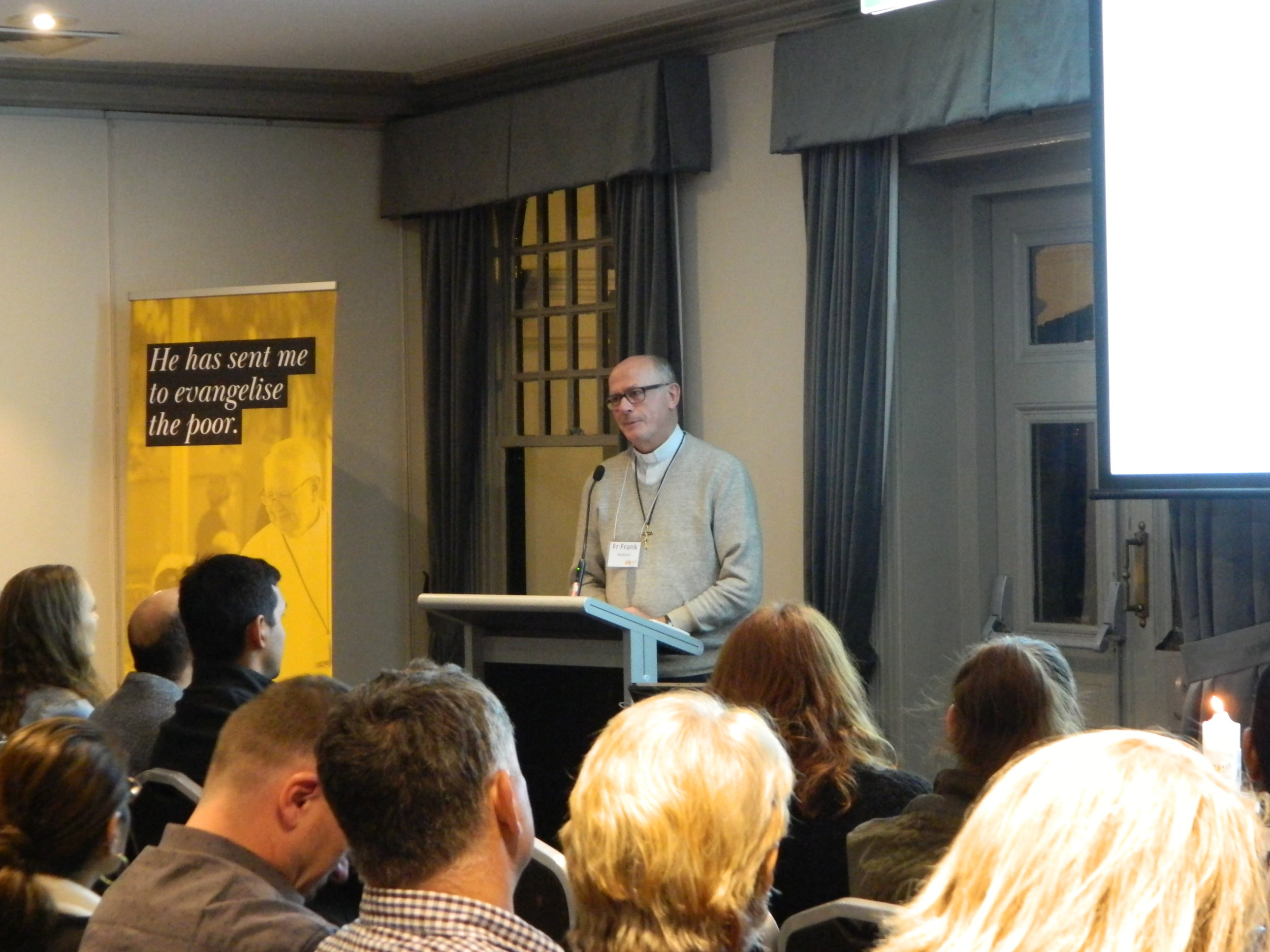
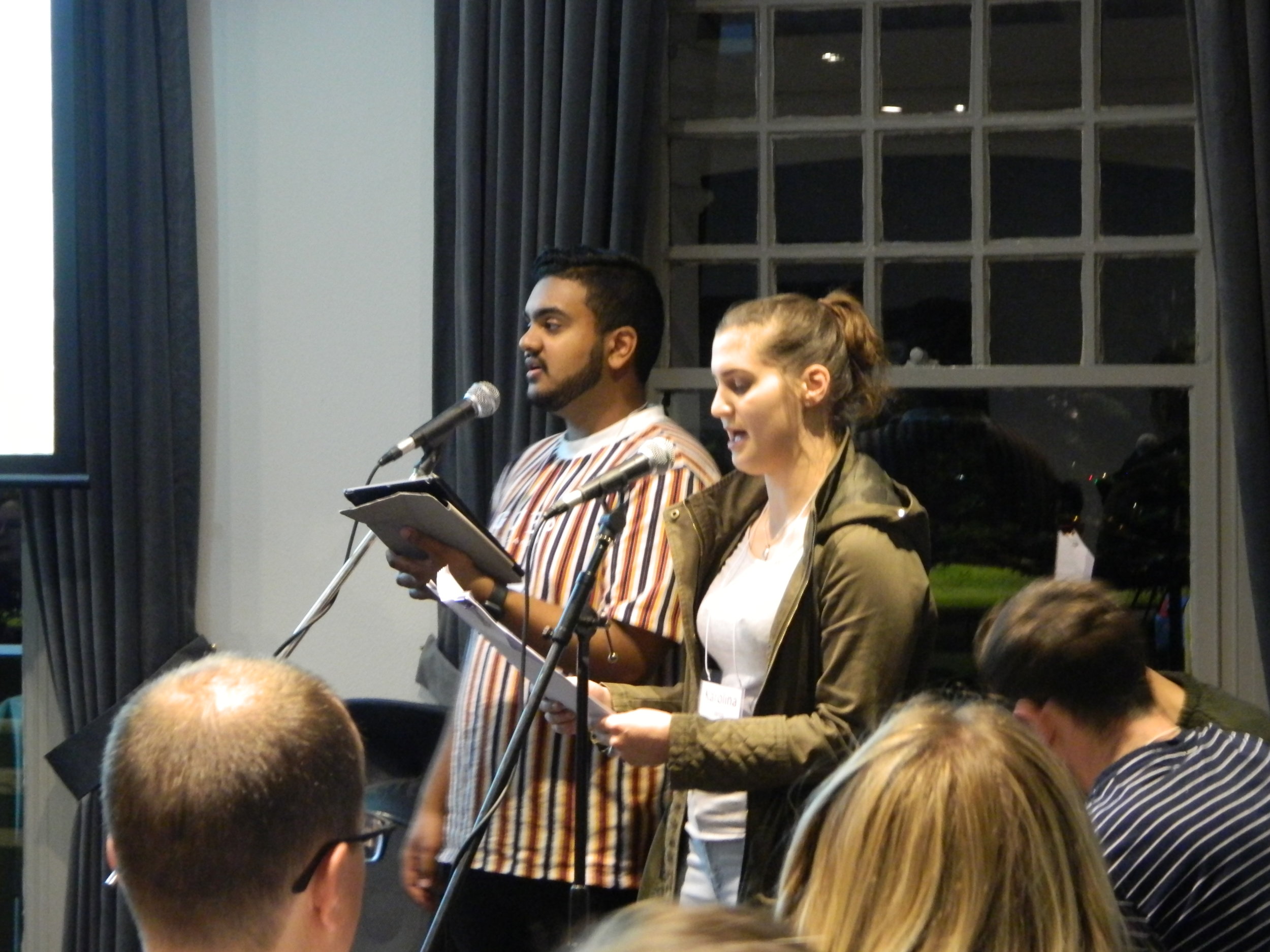
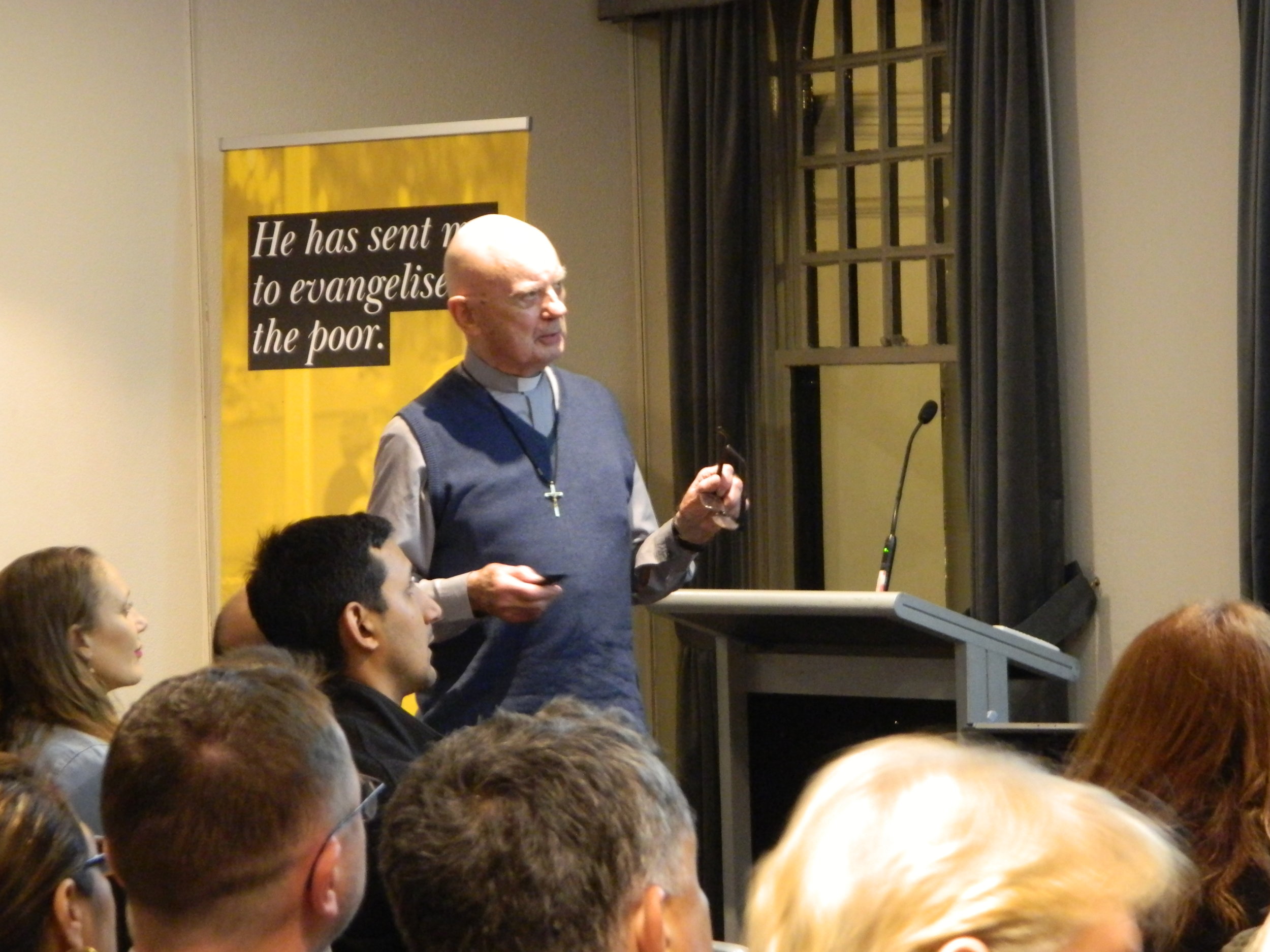
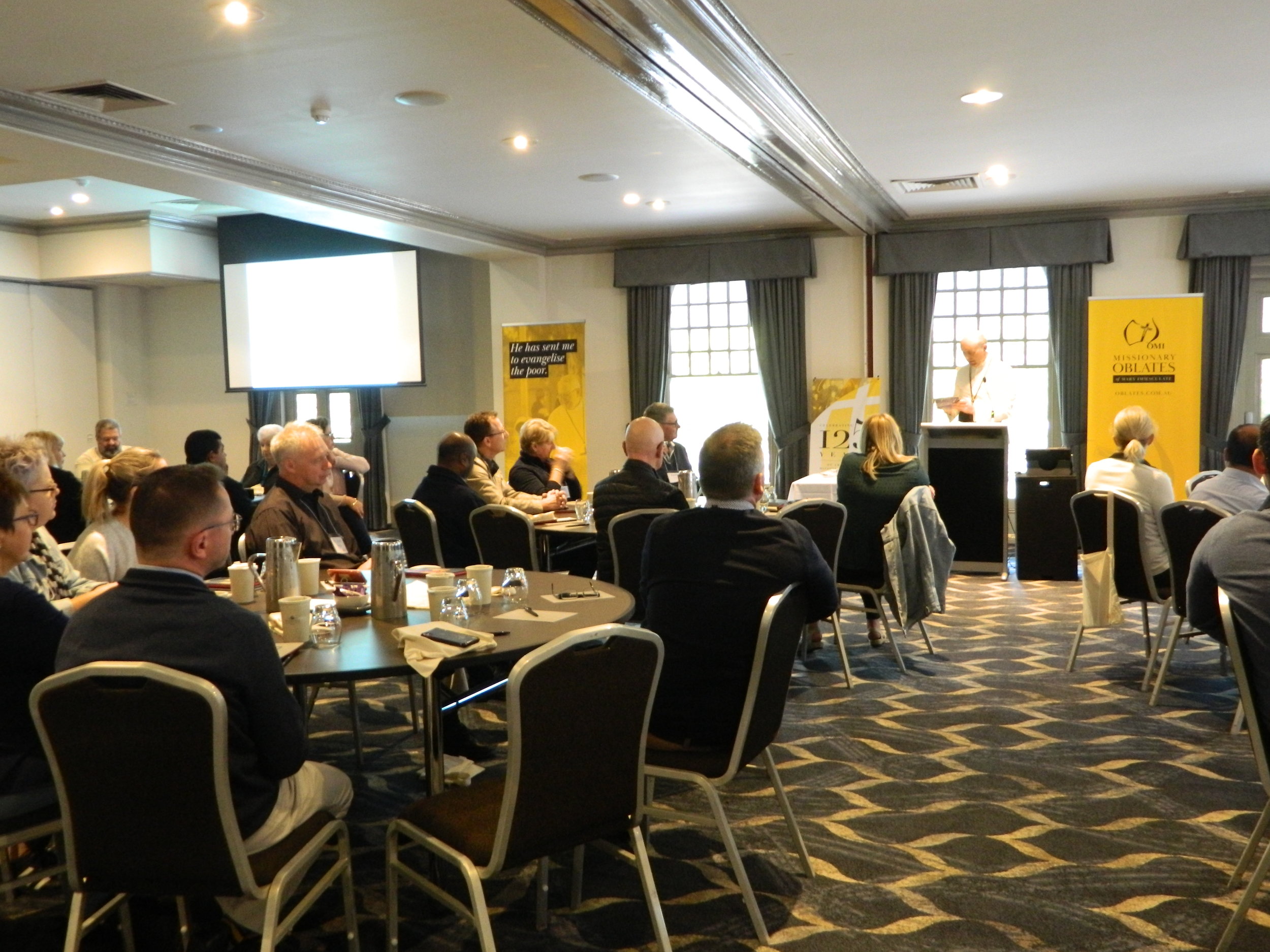
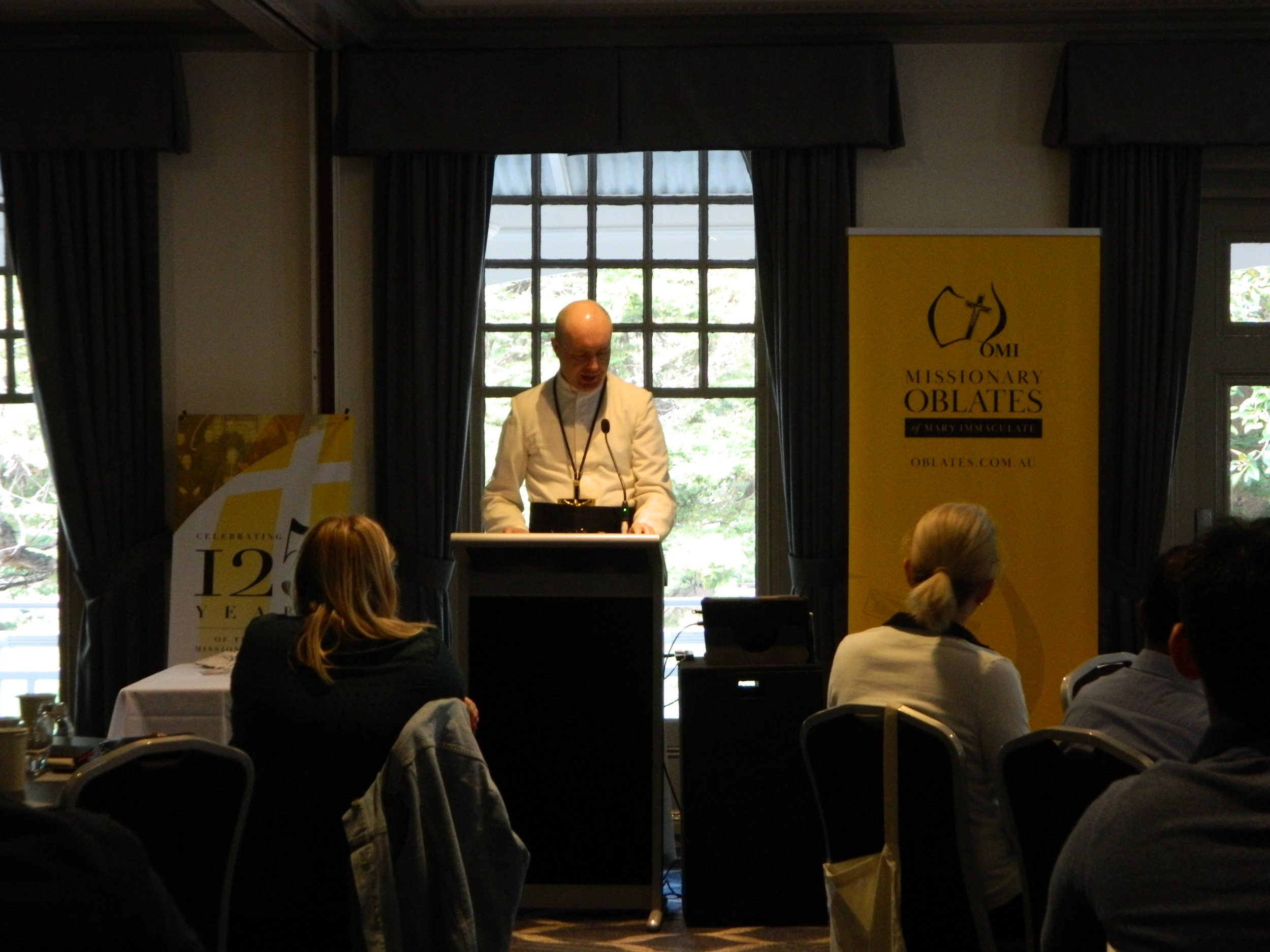
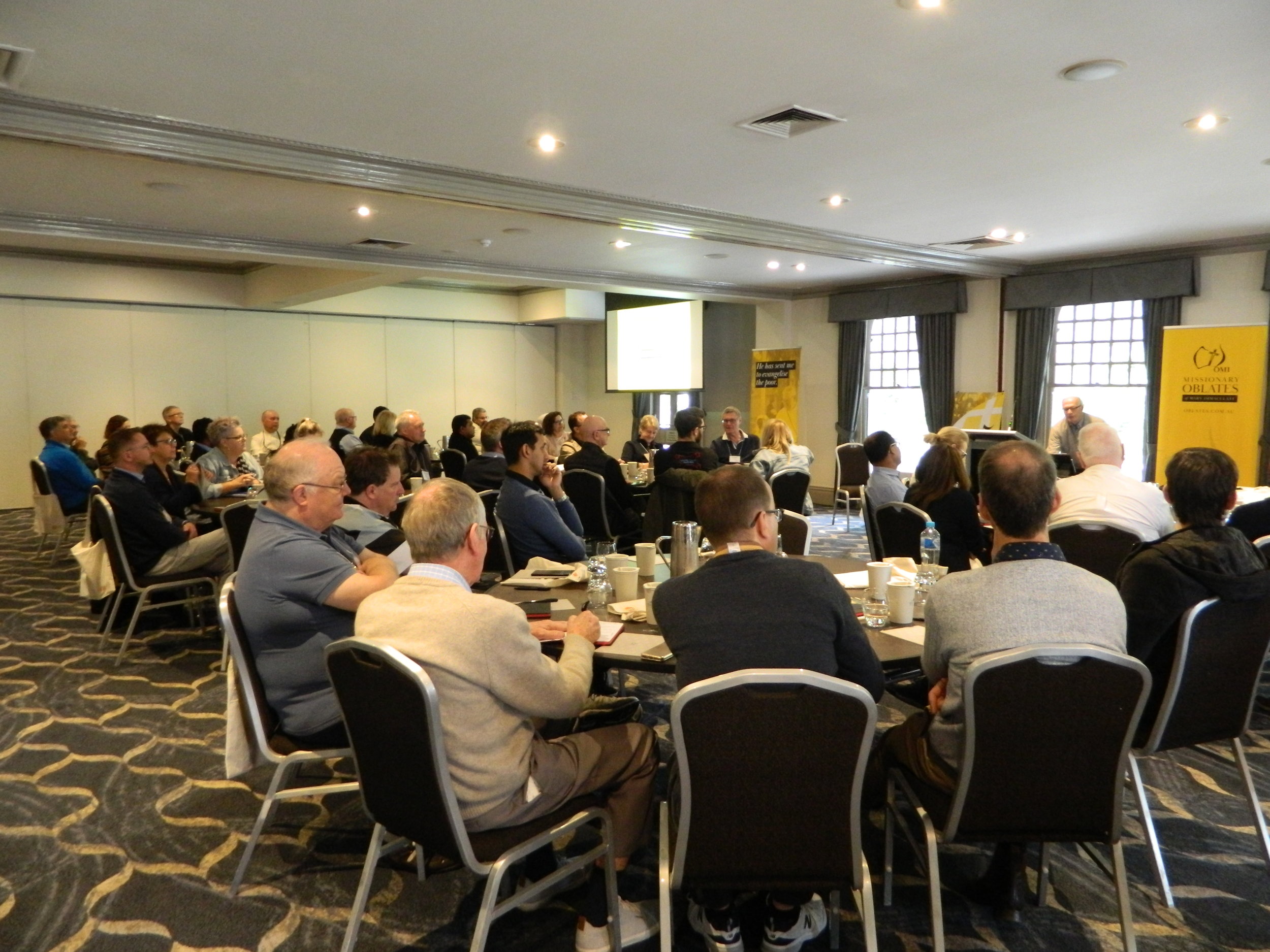
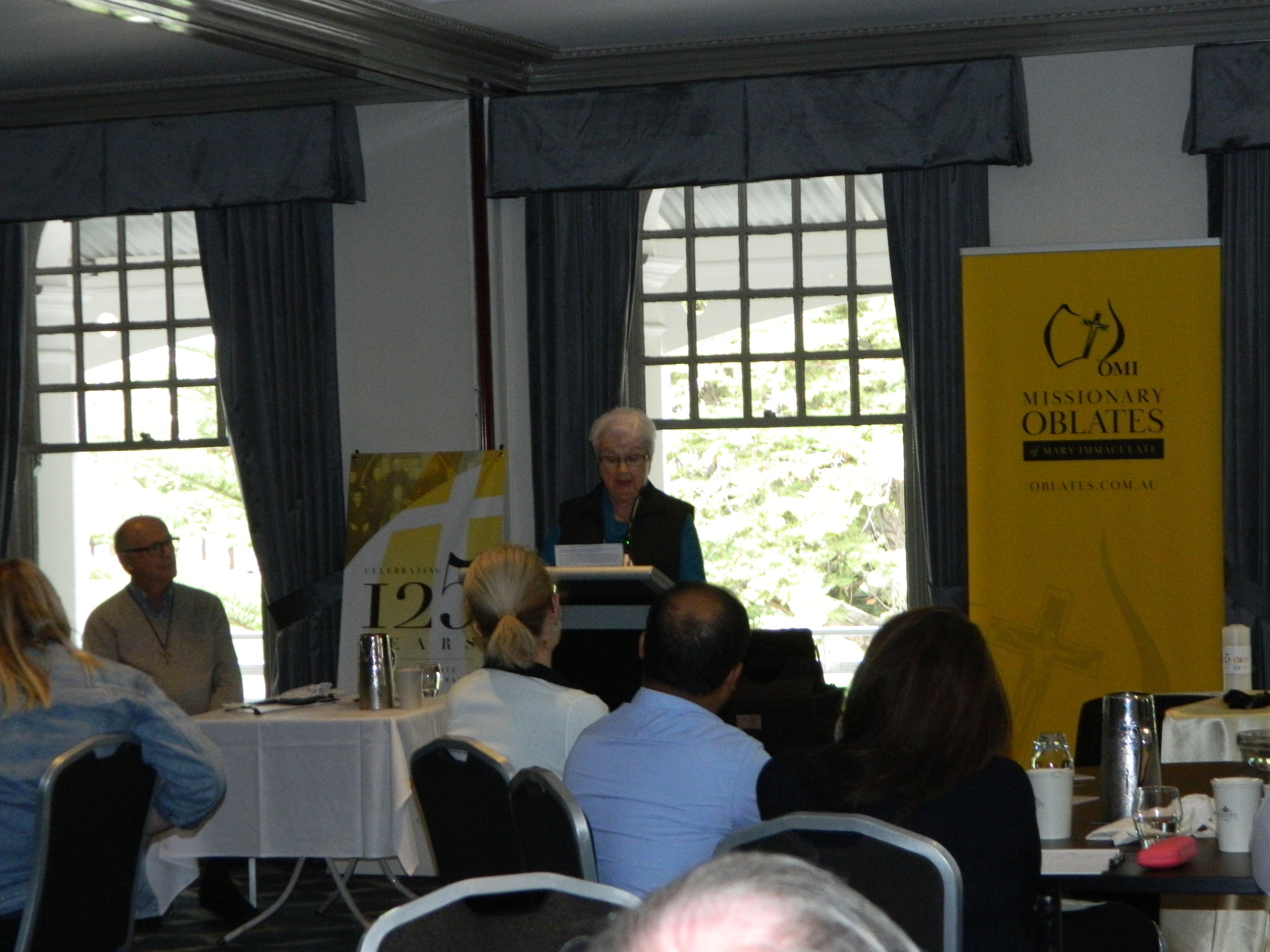
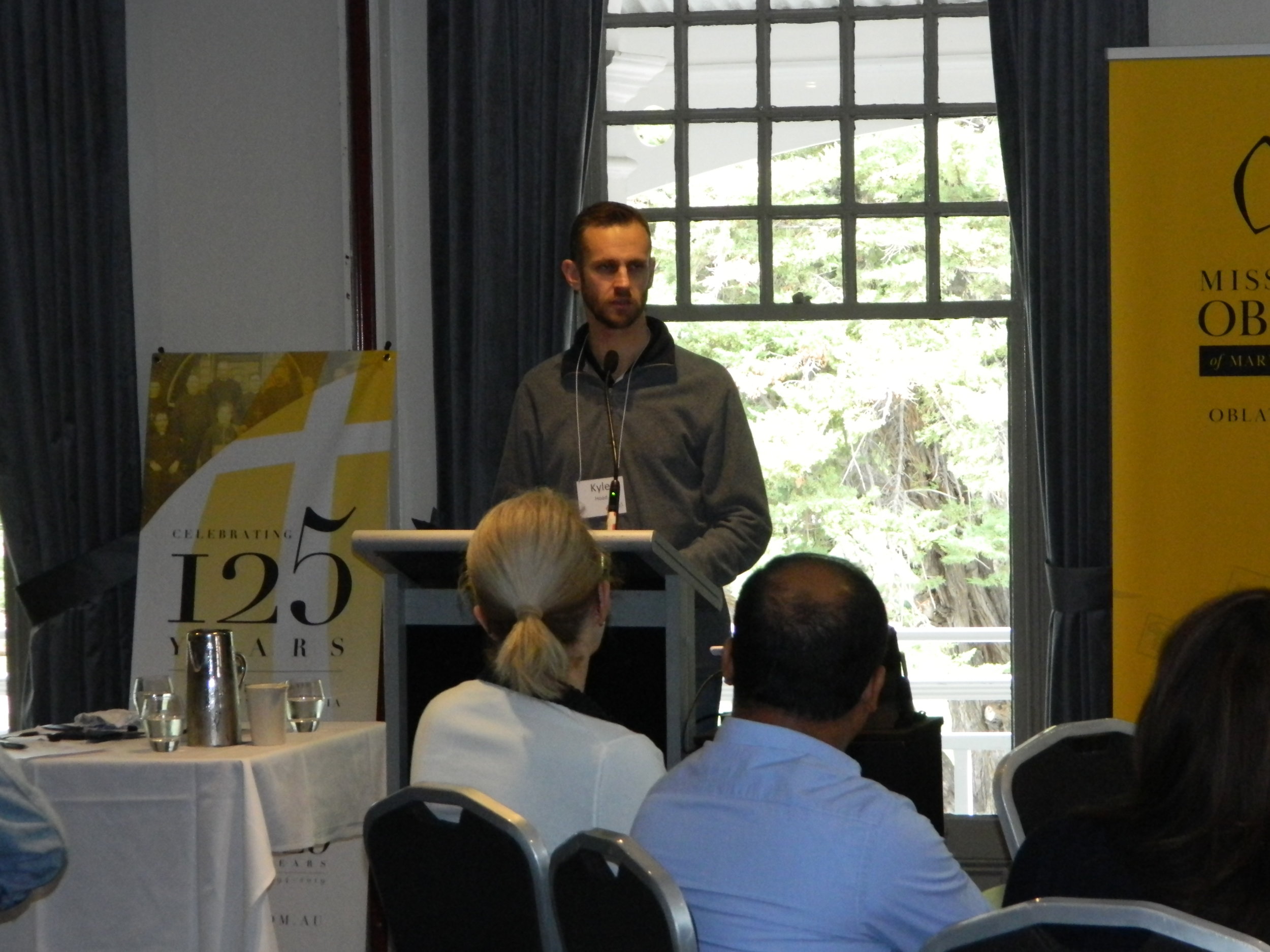
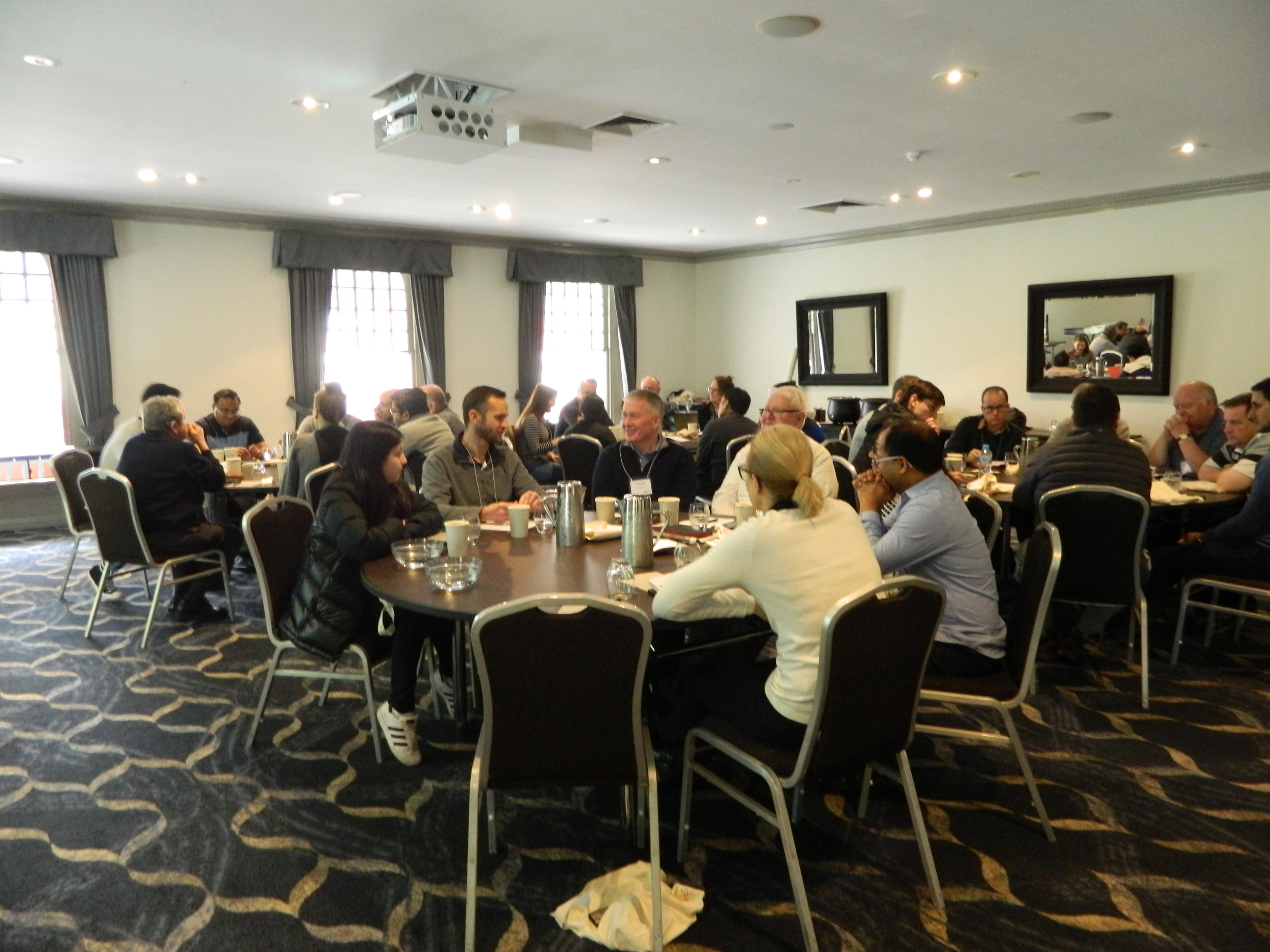
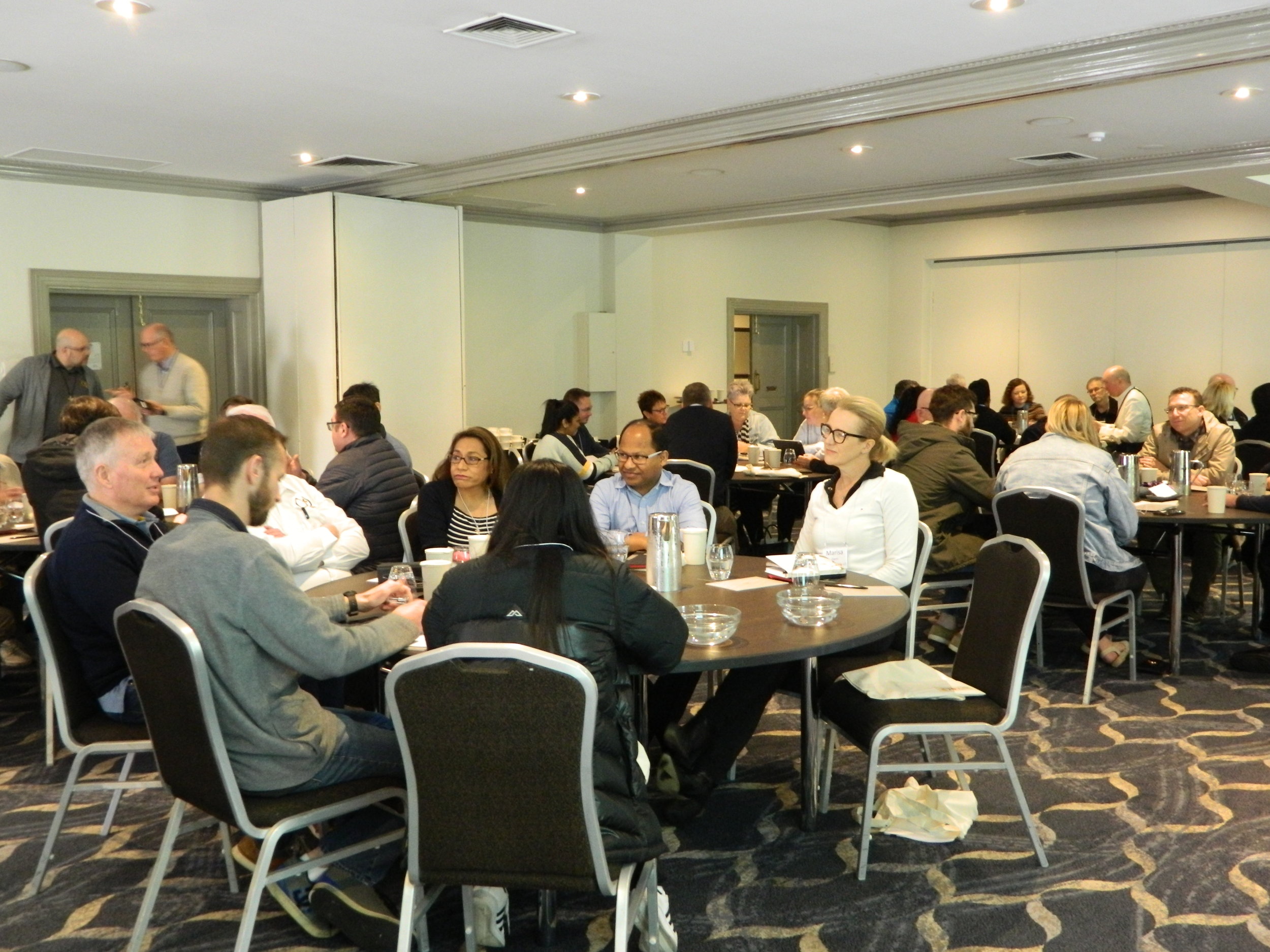
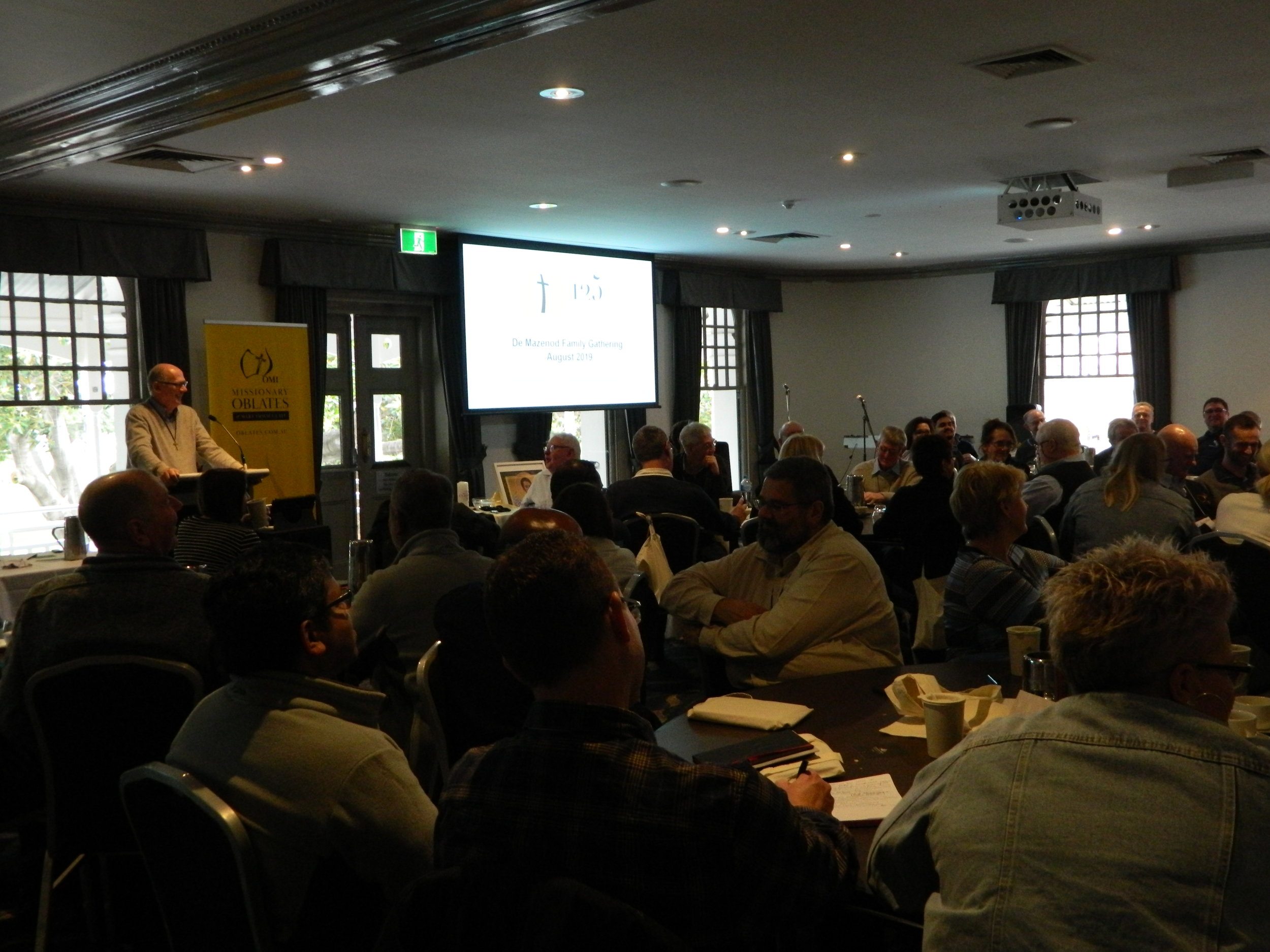
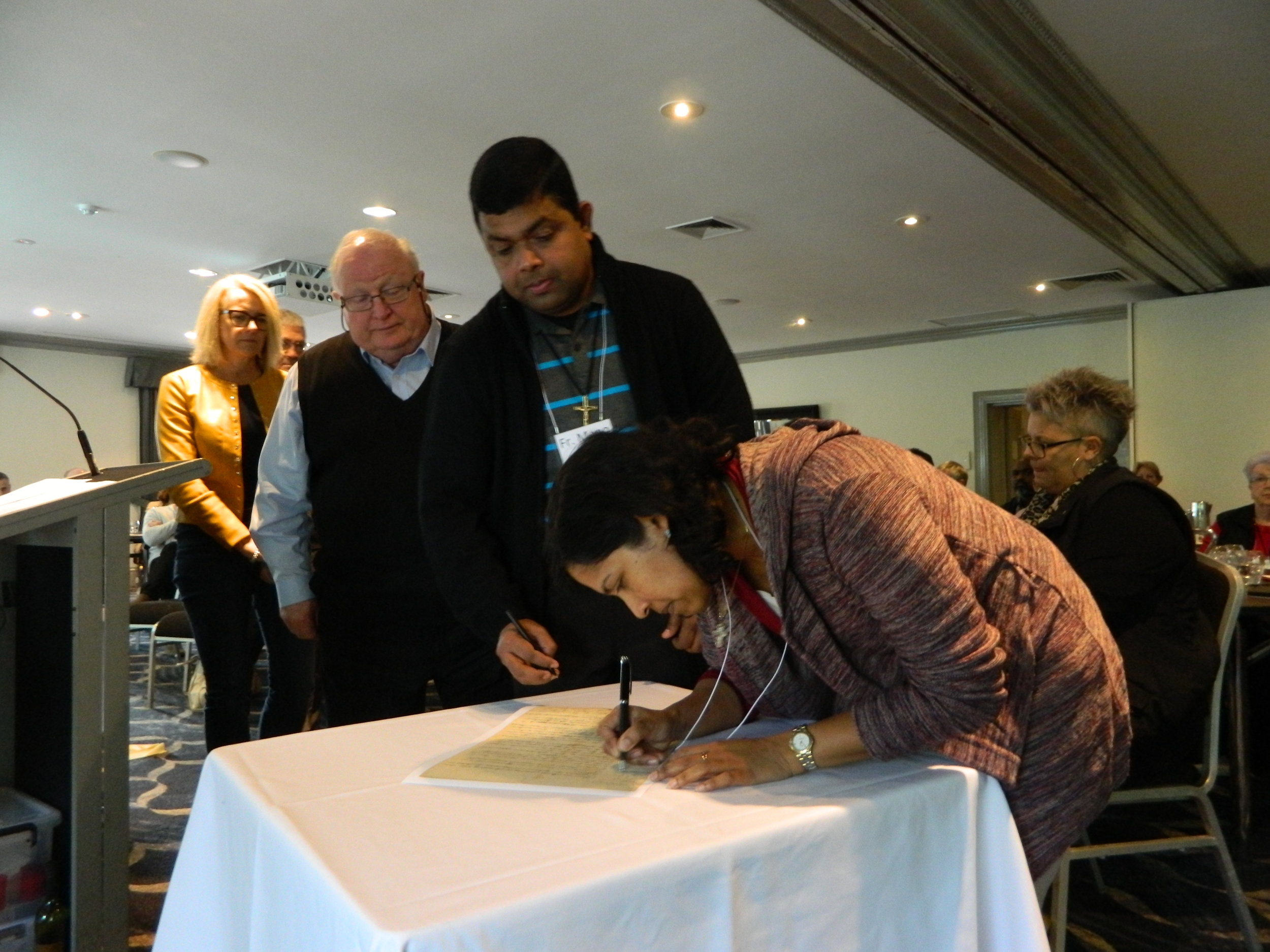
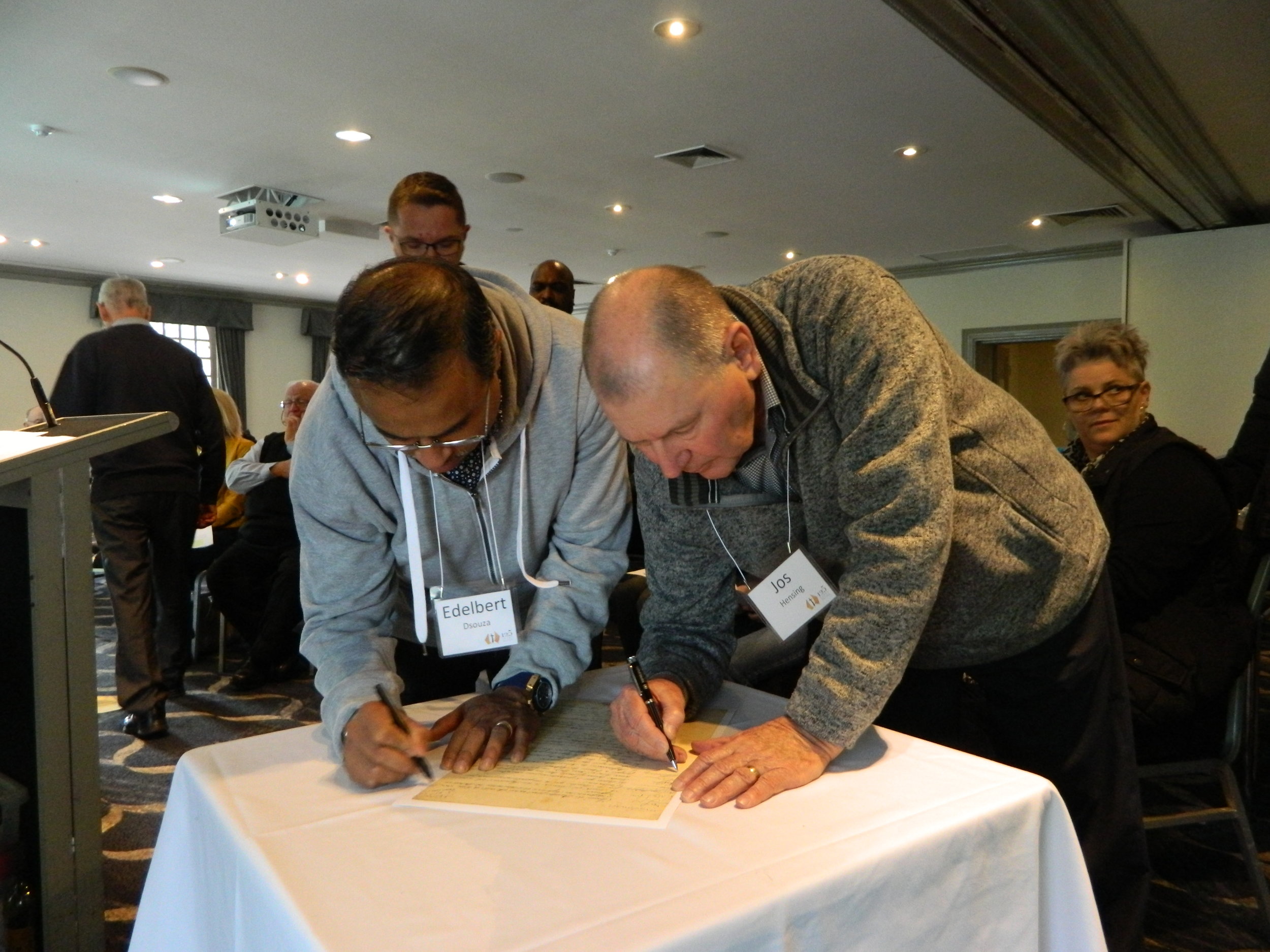
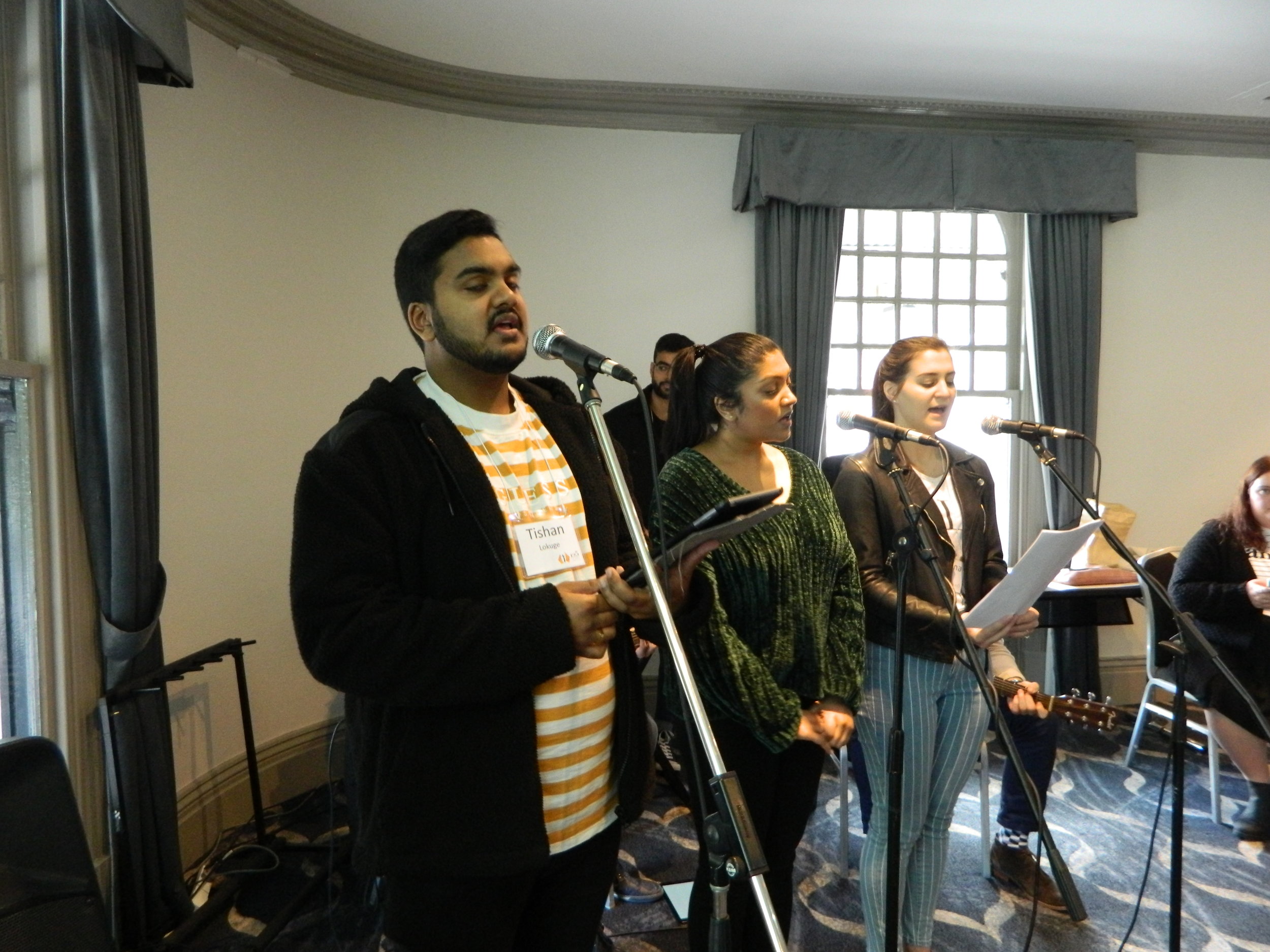
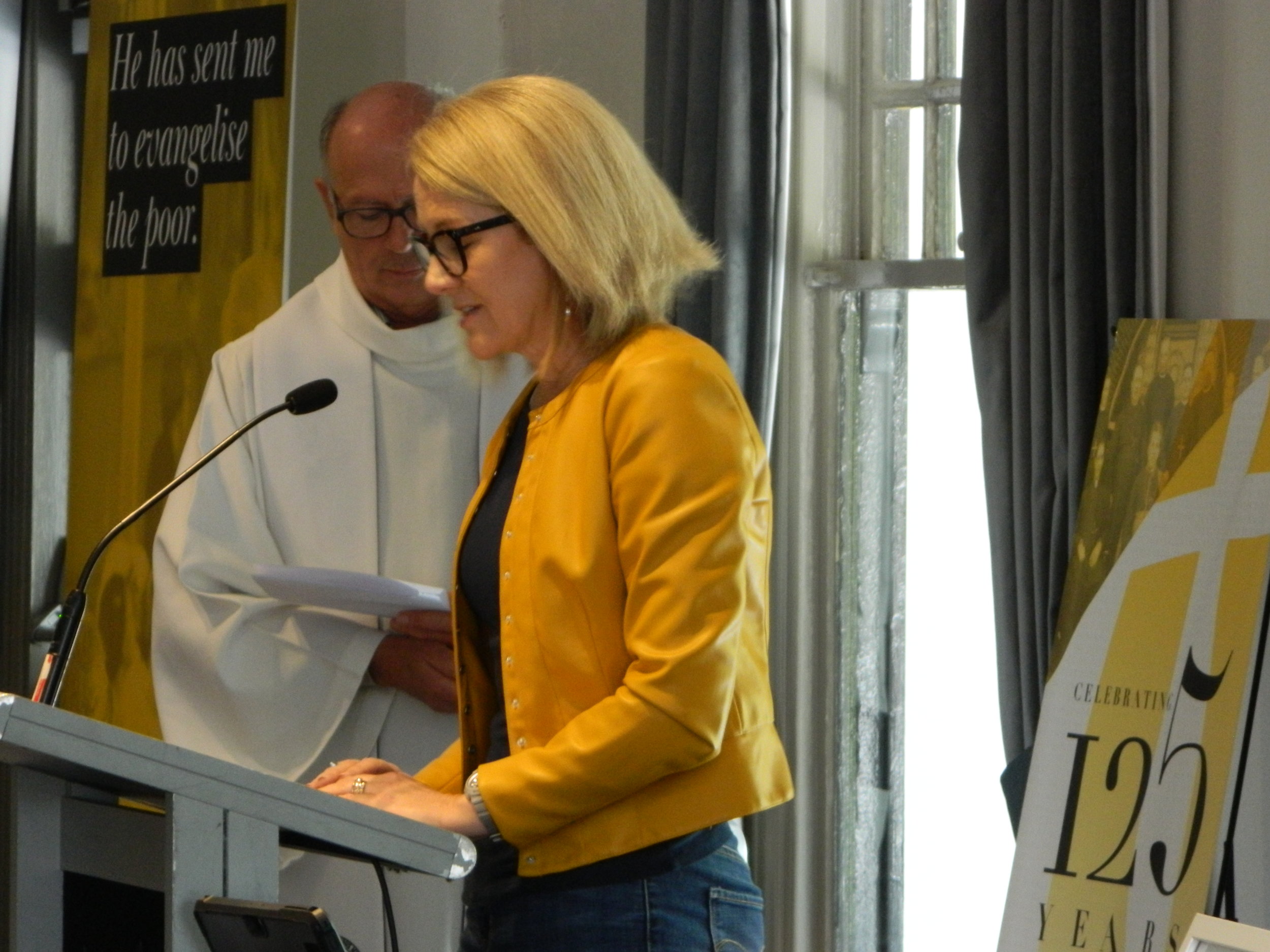
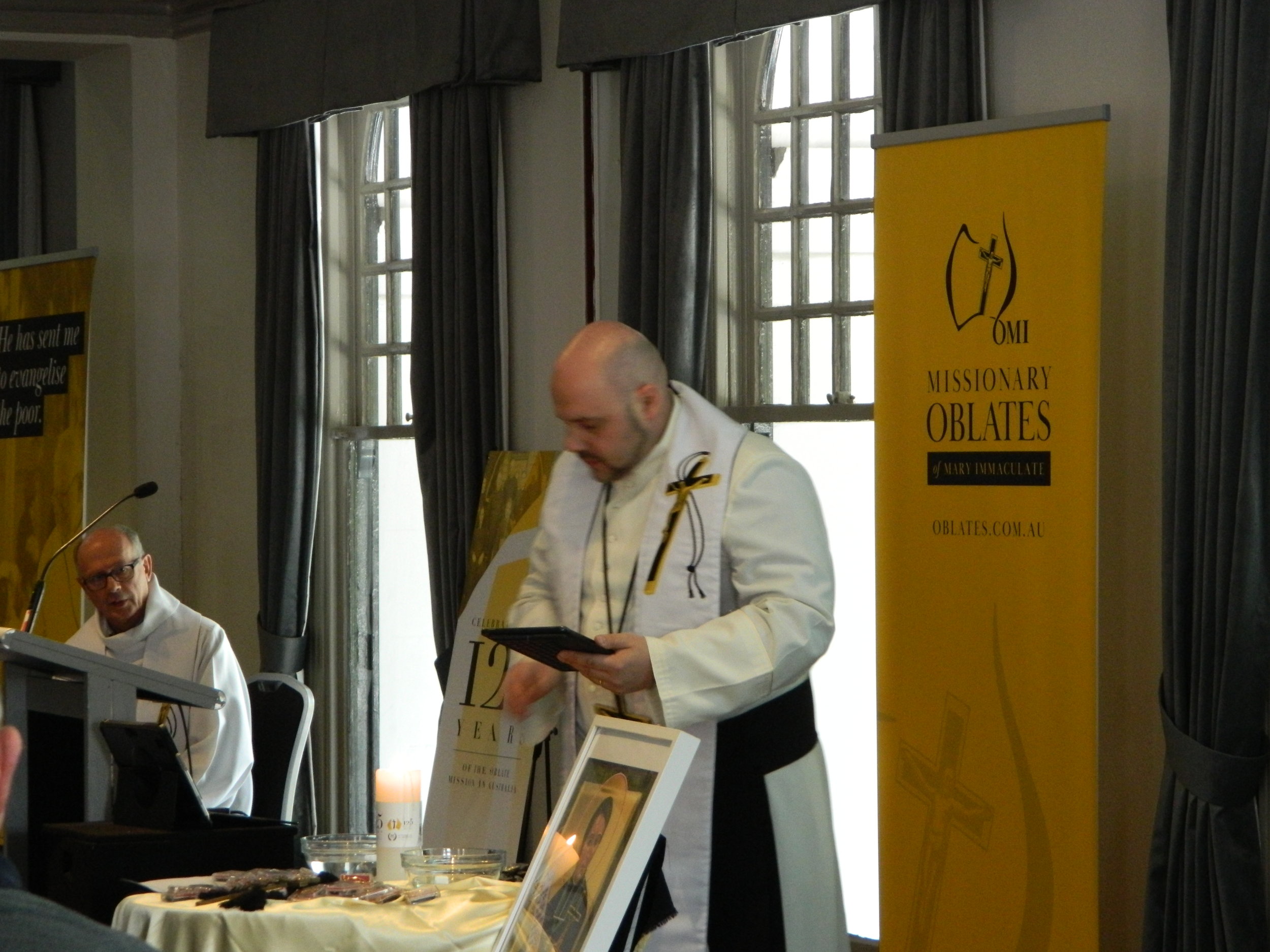
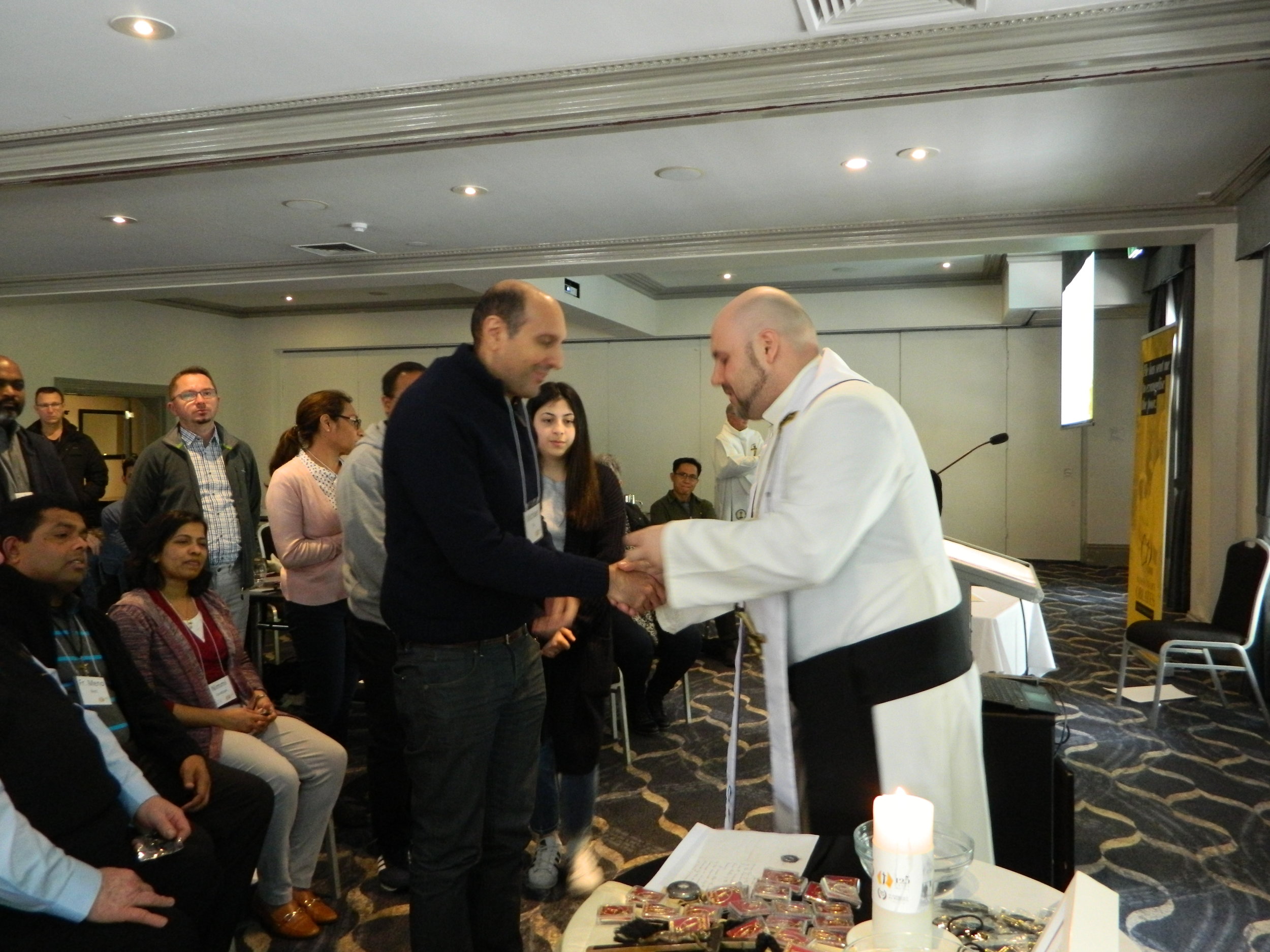
To mark this special occasion the Province hosted the De Mazenod Family Gathering in Fremantle, with the theme ‘Respond with joy to our call to Evangelise’. Sixty-three people from all around Australia and from a variety of ministries gathered together. These were made up of 40 lay people and 23 Oblate Fathers.
Participants were asked to prepare for the Gathering with a community meeting within their state, followed by three online formation sessions based on the Oblate Charism.
The preparation program allowed for us to maximise the time together during the gathering and spend time listening to the voice of the Holy Spirit in the Oblate missions in the Province. The gathering also provided us with the opportunity to build and strengthen connections between the Oblate ministries and create an awareness of the vocational opportunities that exist within our community and ultimately creating a formal Oblate Lay Association.
The event provided the opportunity to share and learn from each other, to explore the recent vision and mission document developed by the Oblates and to address the realities facing the contemporary life and mission of our Church.
On conclusion of the gathering, participants were asked to ‘Think Big’ and brainstorm on what can be possible now and into the future. A colourful array of ideas came to light many of which can be implemented in the short term and certainly some long term plans…watch this space!
More importantly the participants left with a greater understanding of the Oblate Charism and a sense of renewed faith.
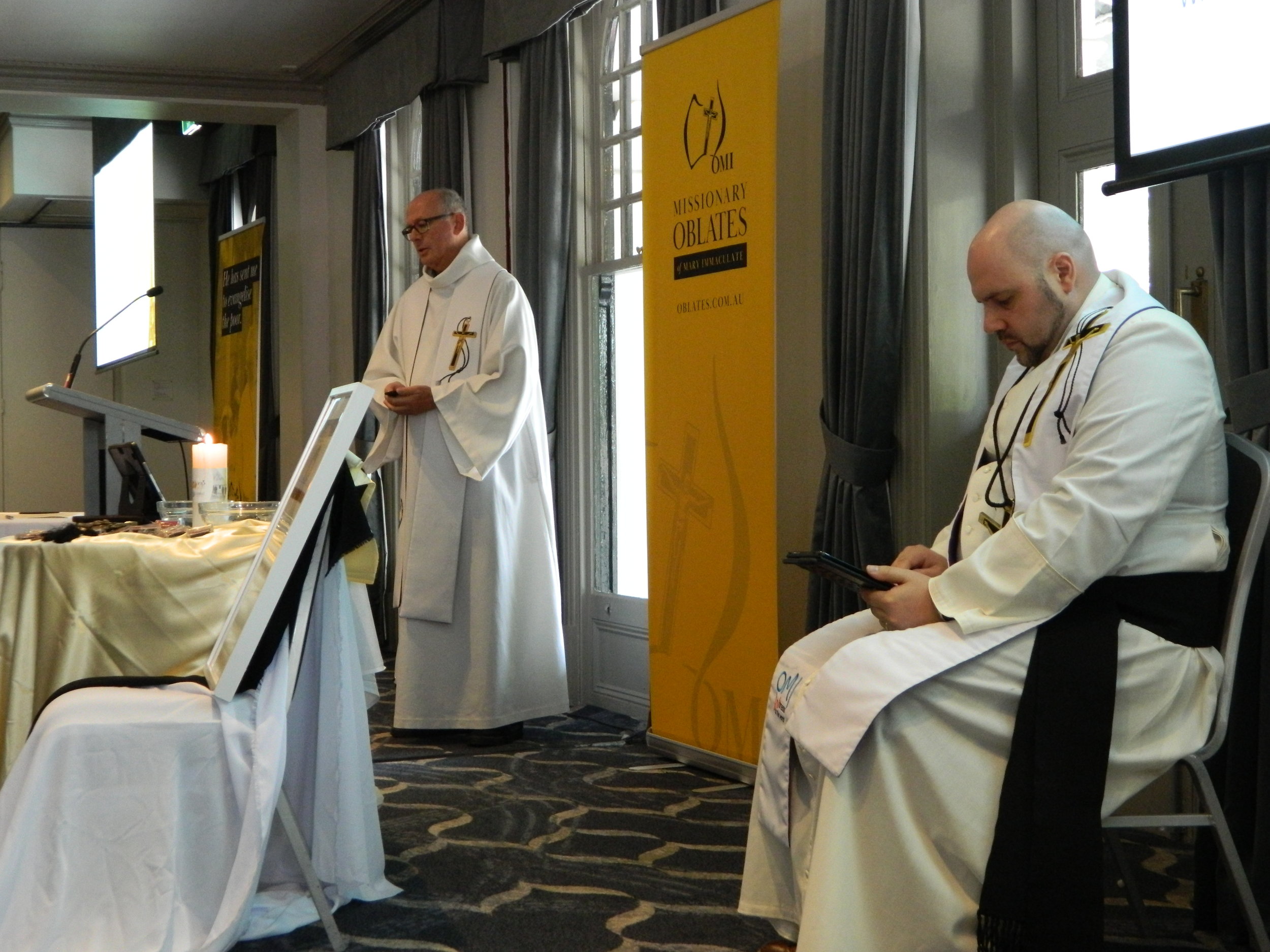
The weekend concluded with Mass at St Patrick’s Basilica commemorating the arrival, which was celebrated with the Oblates of Australia and Priests from the Archdiocese of Perth.
On behalf of the committee, I would like to thank all those involved in the preparation of the gathering, all the participants and all who prayed for us during this celebration. Let us all continue to pray for another 125 years of Oblate Charism in Australia.


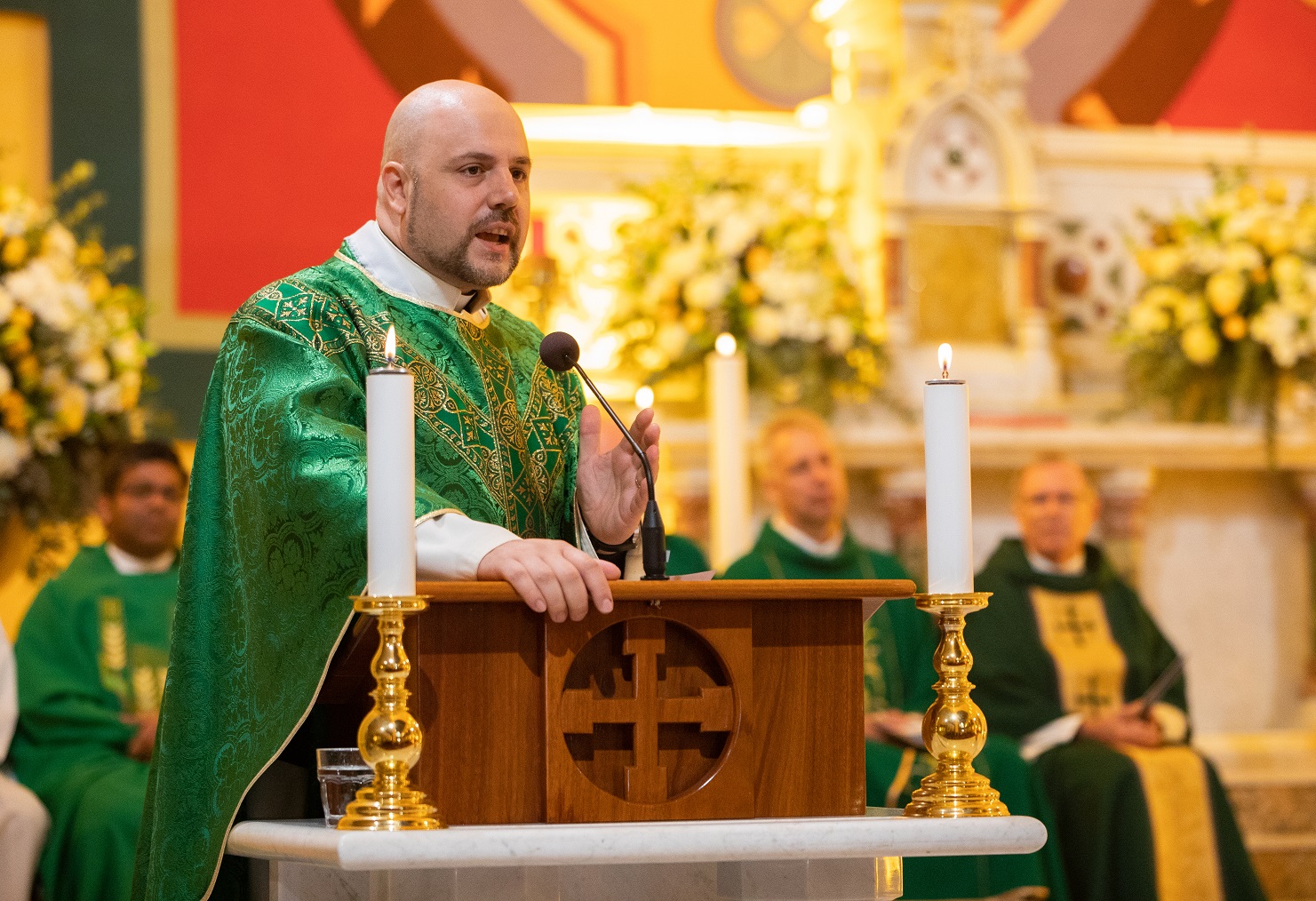

125th Anniversary Reflection - Part 5
Reflection
The Oblates of Mary Immaculate are celebrating 125 years of serving the Church in Australia. It is an opportunity to give thanks for the past, to acknowledge the many blessings in our Province today and to prepare for another 125 years of service in Australia. The De Mazenod Family Gathering is an opportunity to build and strengthen connections between the Oblate ministries and explore structures for a Lay Association. Please keep the De Mazenod Family Gathering (14-18th August) in your prayers and continue praying for Vocations to the Priesthood and Religious life.
The following reflection is part of this journey, a series of reflections on our history written by Fr Austin Cooper OMI.
Oblates in Australia:
While Fremantle Oblates faithfully provided the round of services expected, changes were taking place. The church continued to grow as a popular venue for marriages from far beyond the parish; it also developed further as a centre for reconciliation.
Since 1894 Oblates have served as chaplains to the Prison. In 1991, when the jail was relocated to the new maximum-security Casuarina Prison, Fr. David Shelton continued as chaplain to this and other prisons.
Fremantle Hospital, is another facility serving a wide-ranging area, with Oblates such as Fr Tony Colbert faithfully providing a round-the-clock availability of pastoral care over many years.
Oblates also have a presence in Catholic Education with schools in Vitoria, Brisbane and Western Australia.
In 1989 a quite new venture came to Fremantle further enhancing its development as a centre: Notre Dame University was established in several handsome historic buildings throughout the city. The Oblates at St. Patrick’s were supportive from the first: Fr. John Archbold served as chaplain for some years, a role the Oblates maintained until recently. Since 1994 the Oblates have offered an annual scholarship and close relations continue between the University and St. Patrick’s. Another example of the Church reaching out to the community.
To this end, quietly, in 1971, Brother Ignatius Hannick OMI, assisted by stalwarts like Leo Cooper, began providing emergency sustenance to needy people doing it hard on the streets of Fremantle. Over time, this service spread from the cold, windy presbytery veranda, to secure parish premises, providing services during regular hours and serving meals 365 days of the year.
A governance structure was established and ‘St Patrick’s Community Support Centre’ was created. This has now grown to become the major Oblate Missionary Outreach in Western Australia. The Centre is well recognised for its excellence, with multiple accreditations from Government and welfare sectors.
Housing 125 -150 homeless persons and providing some 25,000 substantial meals each year, the Centre also offers services across physical, mental health, financial counselling and general rehabilitation programs
Constitutionally, the Oblate Parish Priest of Fremantle is the President of the Board of Governance. This ensures the ethos of the Centre remains true to the Oblate and Catholic traditions.
In a similar vein, on the other side of the continent, the intrinsic Oblate Missionary focus was creating other Social Outreach programs to assist the disadvantaged.
In Victoria, in the seaside town of Rosebud, Fr Tom Shortall OMI saw that some holidaying youth had been abandoned by the community. He responded to this need by setting up a coffee shop and drop-in centre in the Parish. Called “Rosie’s”, it ran from 1975 -1984. Other Rosie’s popped up throughout Victoria and in 1987, another Oblate priest, Fr Paul Costelloe OMI, took a van around the Gold Coast during ‘Schoolies” week providing support and friendship to school leavers.
Rosie’s outreach centres can now be found in many areas of Victoria and Queensland as they reach out to those most in need; the lonely, abandoned and marginalised. Just as in 1826 when Eugene De Mazenod first reached out the poor in his local French communities.
Meanwhile at St. Patrick’s Fr John Hannah (PP 1987-1996) petitioned for the Church to be raised to the status of a Minor Basilica. He also had an icon woven in Ireland as a reredos for the Basilica.
This was also the time during which St. Patrick’s developed a fine tradition of church music with a trained choir. Thanks to a generous gift by the Hughes family, in memory of Alice Hughes, between 1988–90 extensive works on the church organ were undertaken. Built by the Bellsham company, it incorporated some elements of the 1895 organ of Bishop Co. of London. Additionally, detailed rebuilding and enlargement was undertaken by the South Island Organ Co. New Zealand. Completed in 1998, it is the largest parish church organ in Australasia. It makes the Basilica a fitting venue for concerts provided by the resident organist Dominic Perissinotto and visiting artists.
All these developments revive the vision of Fr. Thomas Ryan: “The Catholic faith is a thing of beauty, our tradition of architecture, art, music and liturgy are all manifestations of this”.
This tradition is alive and well at St. Patrick’s and is being guided and developed by the present Rector and Parish Priest, Fr. John Sebastian. Hailing from the Province of India, he provides another instance of the continuing contribution of the wider Oblate world to the life and ministry of St. Patrick’s.

125th Anniversary Reflection - Part 4
Reflection
The Oblates of Mary Immaculate are celebrating 125 years of serving the Church in Australia. It is an opportunity to give thanks for the past, to acknowledge the many blessings in our Province today and to prepare for another 125 years of service in Australia. The De Mazenod Family Gathering is an opportunity to build and strengthen connections between the Oblate ministries and explore structures for a Lay Association. Please keep the De Mazenod Family Gathering (14-18th August) in your prayers and continue praying for Vocations to the Priesthood and Religious life.
The following reflection is part of this journey, a series of reflections on our history written by Fr Austin Cooper OMI.
Continuing “Fremantle and the Oblates”:
Some local autonomy, and an expanding mission, gave the Oblates renewed confidence. The first section of the new Church was opened in June 1900. On Sundays some 1,960 people attended Mass and a total of 692 at four other centres: the Convent, Prison, North Fremantle and Cottesloe.
From 1910 Frs Smyth and Neville lived at North Fremantle. But these apparently prosperous years gave way to challenging times: in the 1919 influenza epidemic an Oblate served in Quarantine leaving only two serving the large scattered parish. Glendalough was soon to close and North Fremantle to be taken over by the Archdiocese thus reducing the Oblate Vicariate to one house. This led to some soul searching among Oblates. Did they have a viable future in Australia? The Vicariate Superior, Fr. Eugene Callan hoped a move to the East would help. The opening of Sorrento (Victoria) in 1926 did not prove an instant solution. Sorrento was not the holiday mecca of today but a quiet, remote village. Depression and the Second World War were further challenges. It is a great credit to the Fremantle Oblates that despite a contracted mission they battled on: they did not surrender, displaying the Oblate commitment to the virtue of Perseverance. Meanwhile local vocations were few: Andrew McCusker, (a Scottish migrant educated in WA) was the first to enter the Oblates in Australia and he had to travel to Ireland for his novitiate and seminary training. In the 1930s and 1940s the new novitiate at Lovely Banks, Geelong, also saw four local novices survive. Three of these were Fremantle contacts: Frank Thornton, Henry McFall and Joseph McCann.
The war years saw further pressures on the Oblates. Two members of the Australian group served as chaplains – Frs. William Byrne and Thomas Purcell, while hostilities prevented obtaining further personnel from the Anglo-Irish Province. However peace brought swift changes. There had long been Italians in the parish, but post-war migration saw their numbers escalate. Fr. Pietro Abrano was the first of a succession of Italian chaplains, the long serving Fr. Gaetano Nanni being the last. Some nine other Italian Oblates served here between 1960 and 1987: an enrichment which an international religious group can provide. At one time there were 1,450 Italians in the Fremantle area.
With the migrants came new styles of devotion such as the high profile annual blessing of the fishing fleet from 1948 and the devotion to the ‘Black Madonna’ (Our Lady of Tindari). Being a port city, seamen were a pastoral care and in 1947 Fr Dan Breslin began specific pastoral care for seamen which evolved into Stella Maris of which Mgr. O’Shea became chaplain in 1962.
Fr. James Sullivan was the parish priest responsible for constructing the new sanctuary of the church in a style dominated more by utility than a sense of beauty, thus fuelling a simmering tension with those who preferred the original plan. But Fremantle was a-changing: many people were moving out to new residential areas. Over time St. Patrick’s would need to re-invent itself.

Inter-Chapter 2019 - POLAND
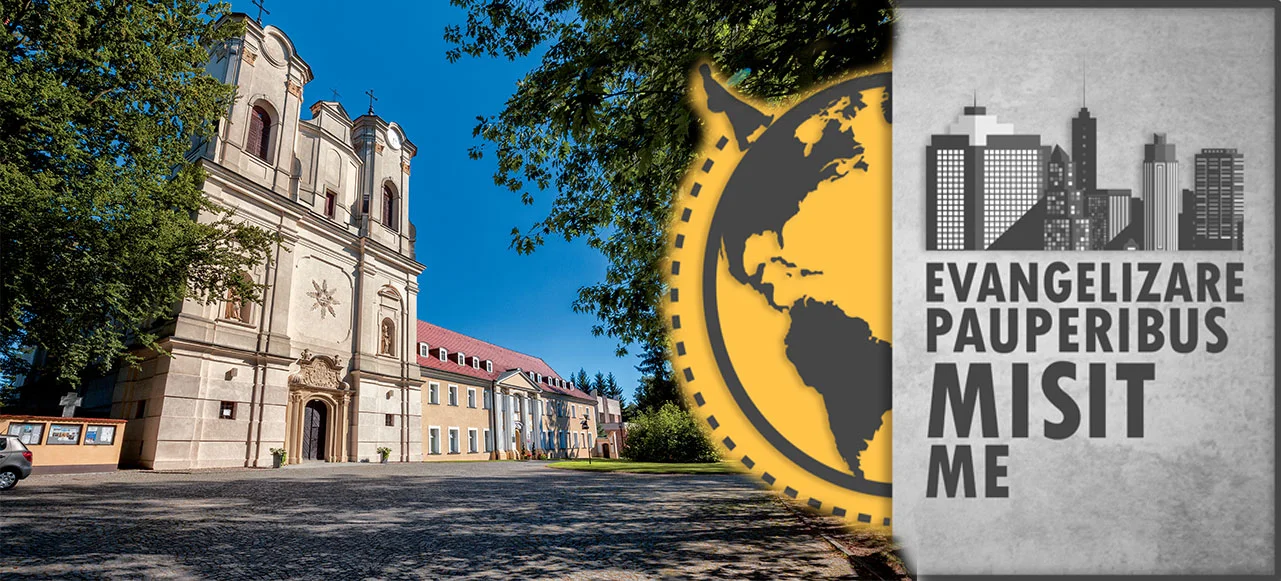
Rule 128e of our Constitutions and Rules directs that, “Between Chapters, the Superior General in Council, in plenary session, will call at least one meeting of the Provincials with the Central Government. After consulting the Provincials, he will determine the details of the convocation and the agenda of the meeting”.
In keeping with this rule and the practice, on March 1, 2018, Fr. Superior General convoked an “Inter-Chapter” meeting of the Provincials and the Central Government of the Congregation. The Superiors of Delegations and the Superiors of Missions in the Region of Europe were likewise requested to attend this gathering.
The Oblate Scholasticate of the Province of Poland, in Obra, is now ready to host the OMI Inter-Chapter 2019 from July 1-13. It will be an important time for the leaders of our Congregation,
to evaluate the extent to which decisions taken in Chapter have been carried out,
to encourage further implementation of such decisions,
to provide for the remote preparation of the next Chapter” (R 128e).
The preparation for the meeting had begun almost a year ago, as the Provincials, Superiors of Delegations and Missions, their respective Councils as well as the Regional Conferences, responded to a questionnaire sent to them by the Ad hoc Committee for the meeting.
The Inter-Chapter will certainly be a great opportunity for the Congregation in order to achieve greater effectiveness in responding to the directions set by the last General Chapter.

125th Anniversary Reflection - Part 3
Reflection
The Oblates of Mary Immaculate are celebrating 125 years of serving the Church in Australia. It is an opportunity to give thanks for the past, to acknowledge the many blessings in our Province today and to prepare for another 125 years of service in Australia. The De Mazenod Family Gathering is an opportunity to build and strengthen connections between the Oblate ministries and explore structures for a Lay Association. Please keep the De Mazenod Family Gathering (14-18th August) in your prayers and continue praying for Vocations to the Priesthood and Religious life.
The following reflection is part of this journey, a series of reflections on our history written by Fr Austin Cooper OMI.
Continuing Fremantle and the Oblates:
The original agreement with the Bishop involved undertaking an ‘Industrial School’ for delinquent boys, a ministry in which Oblates were involved in Ireland. The demands of Fremantle and personnel restraints left the Oblates less than enthusiastic about this aspect of the plan, but Bishop Gibney was insistent. He reminded the Oblates that ‘I offered 300 acres at Subiaco for this purpose with leave to collect throughout the Diocese to defray expenses . . . . The Government will give an allowance of one shilling per diem for children admitted by their officers.’
The ensuing tension was to throw the Oblate presence in Fremantle into jeopardy. The Council of the British Province was not sure that the proposed industrial school was a binding part of the agreement. While from Fremantle, Fr. Roger Hennessy reported that ‘our position here is anything but agreeable. The subscriptions to our new Church have come to a standstill. The people are displeased by the report of our leaving, and we, on our part, have no encouragement to continue. . . I sincerely hope that we shall not have to abandon Fremantle.’ Obviously, the Oblates had understandable concerns about the availability of personnel and the Bishop had a strong point in his reading of the original agreement. But in the dust of debate clarity of vision was impaired.
Fortunately help was at hand. Two Irish Oblates, Frs Stephen Nicoll and Patrick Brady were visiting WA to preach Missions and were asked to make a submission to the Oblate General Council then resident in Paris. Fr. Nicoll made a very balanced submission: the choice was between abandoning the mission and returning home or maintaining an Oblate presence in the Australian Church which necessitated accepting the industrial school. He was very much in favour of the latter as he saw the Oblate presence as ‘full of hope for the future.’ His wisdom saved the day. The contract was signed in 26th December 1896 and the foundation stone laid on the following March 17th, Fr. Daniel O’Ryan from Fremantle was appointed Superior and he was joined by three Oblate Brothers experienced in this ministry in Ireland: George Nolan (aged 26), Daniel Howard (aged 38) and Michael Boland (aged 39). Conditions were tough. Added to this was a paucity of numbers: in 1911 there were only 10 boys committed by government agencies and another 21 sent by parents (and for these there was no government subsidy). By the time the venture closed in 1921 some 219 boys had been sent from courts and 22 as private boarders.
One encouraging by-product of the establishment of Glendalough was the decision to give a measure of ‘self-government’ to the Oblate mission: the Oblate Vicariate of WA was established with two houses: six priests at Fremantle and one priest and five brothers at Glendalough. This appeared an encouraging sign, yet with the small population in WA there was little hope for future local recruitment. The Oblate presence was still (and long remained) very dependent on personnel from afar.
Feast of St Eugene de Mazenod
Read the Letter of Fr General to the Oblate Congregation on the Feast of St Eugene de Mazenod
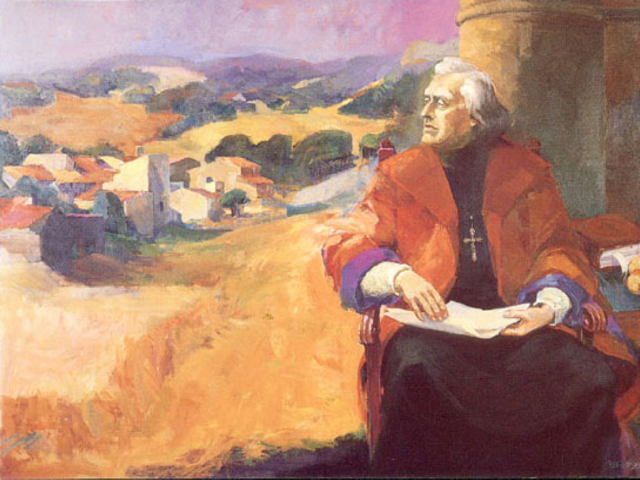
On the 21st May 1861, Bishop Eugene de Mazenod left this life to be united with his heavenly Father. He was surrounded by his fellow brother Oblates and said to them, “Among yourselves practice charity, charity, charity; and outside, zeal for the salvation of souls.” These were his parting words to us and we continue to strive by his command. Today, we celebrate the great feast day of our founder and we give thanks for all that has been the Oblate congregation and we look forward, in hope, for all that is to come. We pray particularly for vocations, that the spirit and charism of St Eugene may inspire many young men to consecrate themselves as Oblate missionaries and that the same charism will be shared by many lay people in the one and same mission of God; to bring the Good News to the poor and most abandoned.
The following article is the Annual Letter for the Feast of St Eugene de Mazenod, written to the whole Oblate family by our Superior General, Fr Louis Lougen OMI.
Dear Brother Oblates and all our Brothers and Sisters living the Oblate Charism,
The feast of St. Eugene de Mazenod always brings us the renewed desire to live more faithfully as he insisted: with charity among us and zeal for the salvation of souls. May this day be a special day of prayer, communion and joyful celebration!
Very shortly, in July, the Major Superiors of the Congregation will be meeting for the Interchapter in Obra, Poland. We will be evaluating how the decisions taken in the 2016 General Chapter have been carried out and how to further implement them; the remote preparation for the next Chapter will also begin at the Interchapter. Please pray to the Holy Spirit so that we may achieve greater effectiveness in responding to the Chapter directions.
In January of this year, the members of the Central Government spent several days in Palermo, Sicily, following the footsteps of Eugene de Mazenod. It was in Palermo that he spent the last stage of his exile, from 1799 to 1802, before finally returning to France. He would have been there from the age of 17 to 20 years. We were guided on this pilgrimage by a member of MAMI, Enzo David, and by the president of the secular Institute, Oblate Missionary Cooperators of the Immaculate ((COMI), Ileana Chinnici.
We spent hours in the streets of Palermo, seeing the places where Eugene lived, the palazzi of important families whose circles he frequented and the churches he attended. We accompanied his life as a young noble, stopping at various sites to read excerpts from his letters and memoirs. We came in touch with different aspects of Eugene’s personality and we recognized experiences from his sojourn in Palermo that surely left marks on his personality, his future and the Oblate charism.
We visited what had been a working-class neighborhood of the leather-tanners where he dwelled for a short period. He lived among these laborers, met them in the streets, saw them washing the animal hides in the river and working in their shops. He was aware of their hard toil and their plight.
Also, his close attachment to the Cannizzaro family and, especially to the Duchess, whom he loved as a mother, was an important influence on him. Not only was her maternal presence and love deeply significant in these youthful years when his own mother had returned already to France, but the Duchess was a woman of faith and engaged Eugene in the responsibility for much of her charitable work for the poor. This ministry brought him directly in touch with the difficulties experienced by the most impoverished inhabitants of Palermo and must have increased his own compassion and concern for the poor.
Looking back over two hundred years ago to this period, it certainly contributed to the formation of a man whose first sermon at the Madeleine fills us with pride and expresses our way of seeing the faces of the poor.
“Come now and learn from us what you are in the eyes of faith. You, the poor of Jesus Christ, the afflicted and wretched, the sick and suffering and covered with sores, etc., whom misery overwhelms, my brethren, my dear brethren, my dear respectable brethren, listen to me. You are the children of God, the brothers and sisters of Jesus Christ, the co-heirs of his eternal Kingdom, the cherished portion of his inheritance; you are, in the words of Saint Peter, the holy nation, you are kings, you are priests, you are, in some way, gods: ‘Dii estis et filii Excelsi omnes’.”
Eugene’s life in Sicily increased his closeness to the poor, his awareness of the challenges they faced each day, his love for them and his respect for their dignity as beloved sons and daughters of God.
Along with visiting places connected to Eugene, mentioned in his letters from this period, we also accompanied present-day Oblates and members of the Missionary Association of Mary Immaculate (MAMI) and COMI as they live the Oblate charism today. It was striking to see the new place of Oblate ministry in the heart of old Palermo, Saint Nicholas of Tolentino Parish, recently taken on by the Mediterranean Province. An international community of Oblates has been established in this parish with a missionary outreach.
Two Oblates have been ministering to the migrants and refugees for many years, while living with other Oblates at Madonna delle Grazie Parish on the outskirts of Palermo. They have been commuting back and forth each day to the old part of Palermo for ministry where the immigrants and refugees are clustered. The Oblates emphasized that the new place of ministry at St. Nicholas is innovative in two ways.
First of all, the ministry with immigrants and refugees will be the common ministry of all the members of the Oblate apostolic community, with the parish as their base. They are actively integrating in various ways, lay associates, young people living the Oblate charism and members of COMI in the mission. The other new dimension to this apostolic community is that the Oblates are living at the parish house, right in the midst of the poor, among the many immigrants and refugees coming from around the world to Sicily.
On January 27th, the members of the Central Government celebrated the Eucharist with the local Oblates at St. Nicholas Church. It was packed with people of every shade of human flesh, celebrating in many tongues the Eucharist, each contributing something beautiful from his or her local culture in prayers, songs and dances. We saw the new faces of the poor. We encountered Christ the migrant, the refugee. It was a beautiful celebration of communion.
In order to take on responsibility for this parish in the heart of Palermo, the Mediterranean Province had to decide to withdraw from the parish on the outskirts of Palermo, Madonna delle Grazie. Some 15 years before, the Oblates had taken the responsibility for this parish and gradually it had become a very life-filled parish community with strong lay leadership and many ministries. The Central Government had an evening social with the leadership of this parish, and in speaking with them, I found it both truly surprising and refreshing that they, the parish leadership, were not complaining and lamenting that the Oblates were withdrawing from the parish!
The leadership, very conscious of the Oblate charism, have understood that the Oblates have accomplished our mission at their parish and, called to be faithful to our charism, we must now move on to new missionary territory. They wish us success in this new project so that we continue to respond to the urgent needs of the poor. Congratulations to the Mediterranean Province, responding to the call of recent General Chapters to welcome new missionary challenges and to seek the new faces of the poor, even if this means having to give up very good ministry!
Being in Palermo was a time of grace for the members of the Central Government. Those days brought us a deep awareness of the last period of exile of young Eugene de Mazenod. It also showed us many Missionary Oblates, MAMI members and COMI, living the Oblate charism today, not only in Palermo, but also in strong apostolic communities, diverse ministries and collaboration with laity and youth in Misilmeri and Messina, in a beautiful communion of life and mission. An added touch to this rich experience was that during these days, while being warmly welcomed by the Oblates and the Sicilian people, we were also invited to enjoy the delicious food and wine of this enchanting island!
In communion with our first brother Oblates, who chanted the Salve Regina around their beloved Father as he lay dying, we invoke the Mother of Mercy with tender devotion as one Oblate family. Let us ask Mary to help us be creatively faithful and audacious in living the missionary charism bequeathed to us by our Founder. Saint Eugene, pray for us!
Happy feast day!
Father Louis Lougen, OMI
Superior General
May 21, 2019

125th Anniversary Reflection - Part 2
Reflection
The Oblates of Mary Immaculate are celebrating 125 years of serving the Church in Australia. It is an opportunity to give thanks for the past, to acknowledge the many blessings in our Province today and to prepare for another 125 years of service in Australia. The De Mazenod Family Gathering is an opportunity to build and strengthen connections between the Oblate ministries and explore structures for a Lay Association. Please keep the De Mazenod Family Gathering (14-18th August) in your prayers and continue praying for Vocations to the Priesthood and Religious life.
The following reflection is part of this journey, a series of reflections on our history written by Fr Austin Cooper OMI.
The Fremantle Story:
From 1850 until 1867 the Benedictines provided pastoral care for Fremantle Catholics. They were then replaced by diocesan clergy. The local Baptismal Register from 1852 indicates that sacraments were administered in ‘St. Patrick’s Church’, evidently a make-shift edifice. It was not until 1860 that the Catholics, now numbering about 250, erected a lime-stone Church dedicated to St. Patrick. By this time, they had also built a presbytery and in 1855 welcomed the Sisters of St. Joseph of the Apparition.
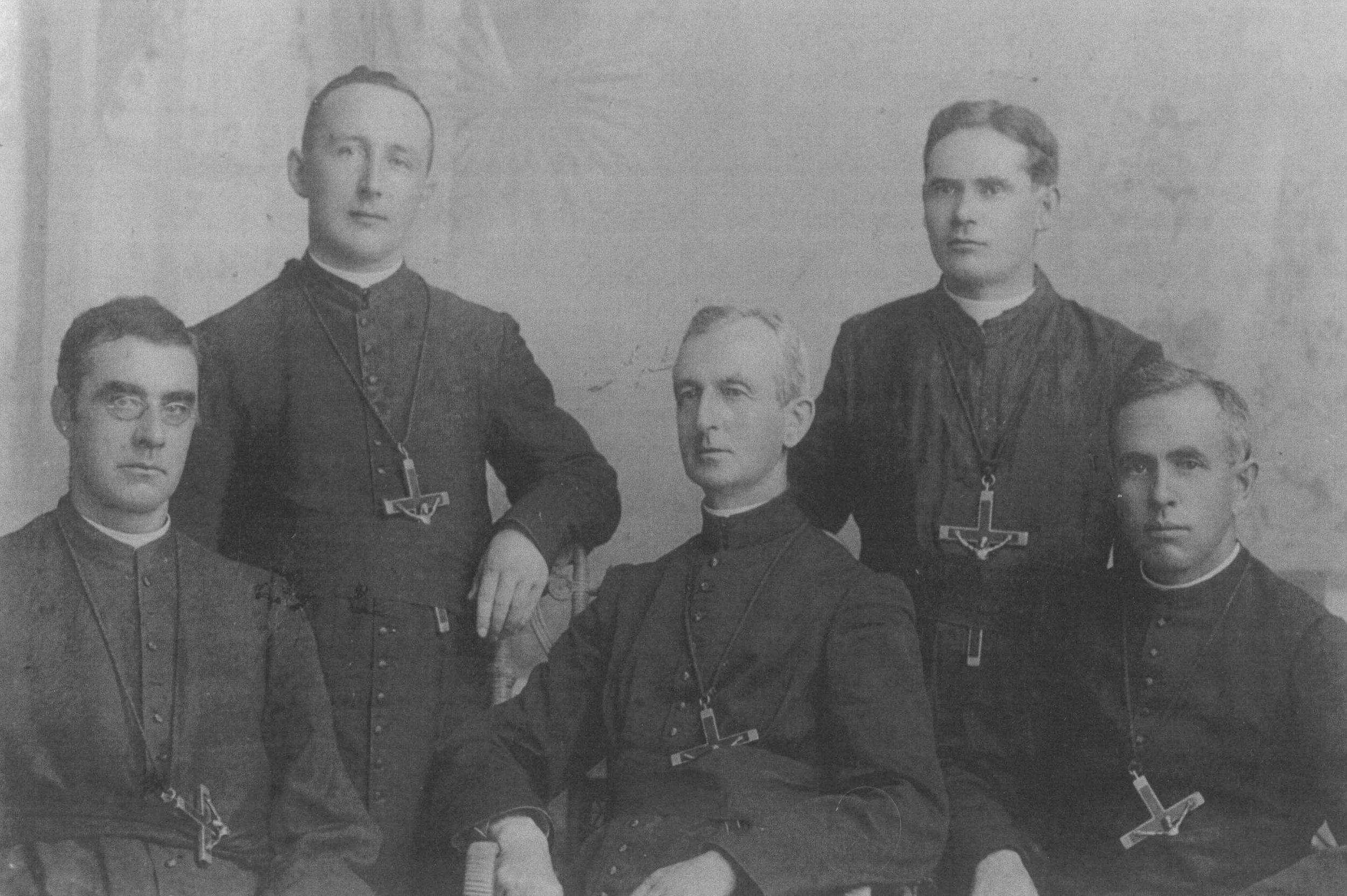
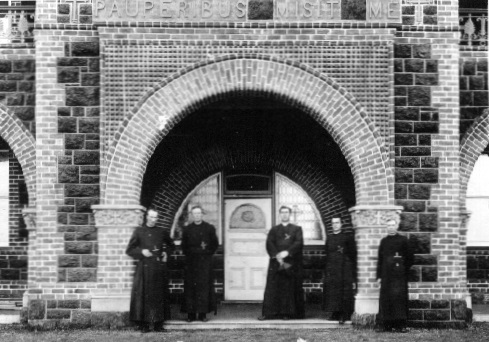
In 1893 Fr William Ring OMI, a friend of Bishop Mathew Gibney of Perth, arranged for the Oblates to come to Western Australia and in 1894, the Provincial of the British Province, Matthew Gaughren accompanied two younger priests, Roger Hennessy and Daniel O’Ryan, both aged 27, to Fremantle. The Provincial remained as Parish Priest of Fremantle for the first year, a clear indication of the Oblate commitment
Daniel O’Ryan’s surviving letters offer glimpses of the scene: Catholics were ‘for the most part poor working people’ and their Church was ‘liable to be blown away during any storm’. He pictures small scattered clusters of Catholics in Coogee, Hope Valley and Rottnest Island. Closer to the centre, North Fremantle and Beaconsfield needed Churches.
The mission was challenging enough for the three Oblates, yet it also had its limitations: it was described in the Founder’s Journal as being to ‘attend to the spiritual wants of the Catholics between Fremantle and Claremont.’ There was no mention of evangelization of the whole colony or any outreach to the Aborigines. It was to remain a distant appendage to the home province and for many a 19th century Oblate it did not seem especially ‘missionary’ like their brothers labouring among Eskimos or Zulus.
Yet every pastoral care has a ‘missionary’ quality about it. Fremantle was no exception. Not only was the church in a sad state, but their (apparently handsome) residence needed urgent repairs and was barely furnished. We are fortunate to have a long letter from a parishioner, Mrs J. Townsend, giving a warm appreciation of the three Oblates: they were ‘young men – all Irishmen – good preachers – strong active men – who have made things boom here.. …..Fr Gaughren delivered a course of sermons on Catholic Doctrine. I had a summary made of these and had them published in the Daily Times.’ These Oblates were certainly not lacking in missionary zeal.
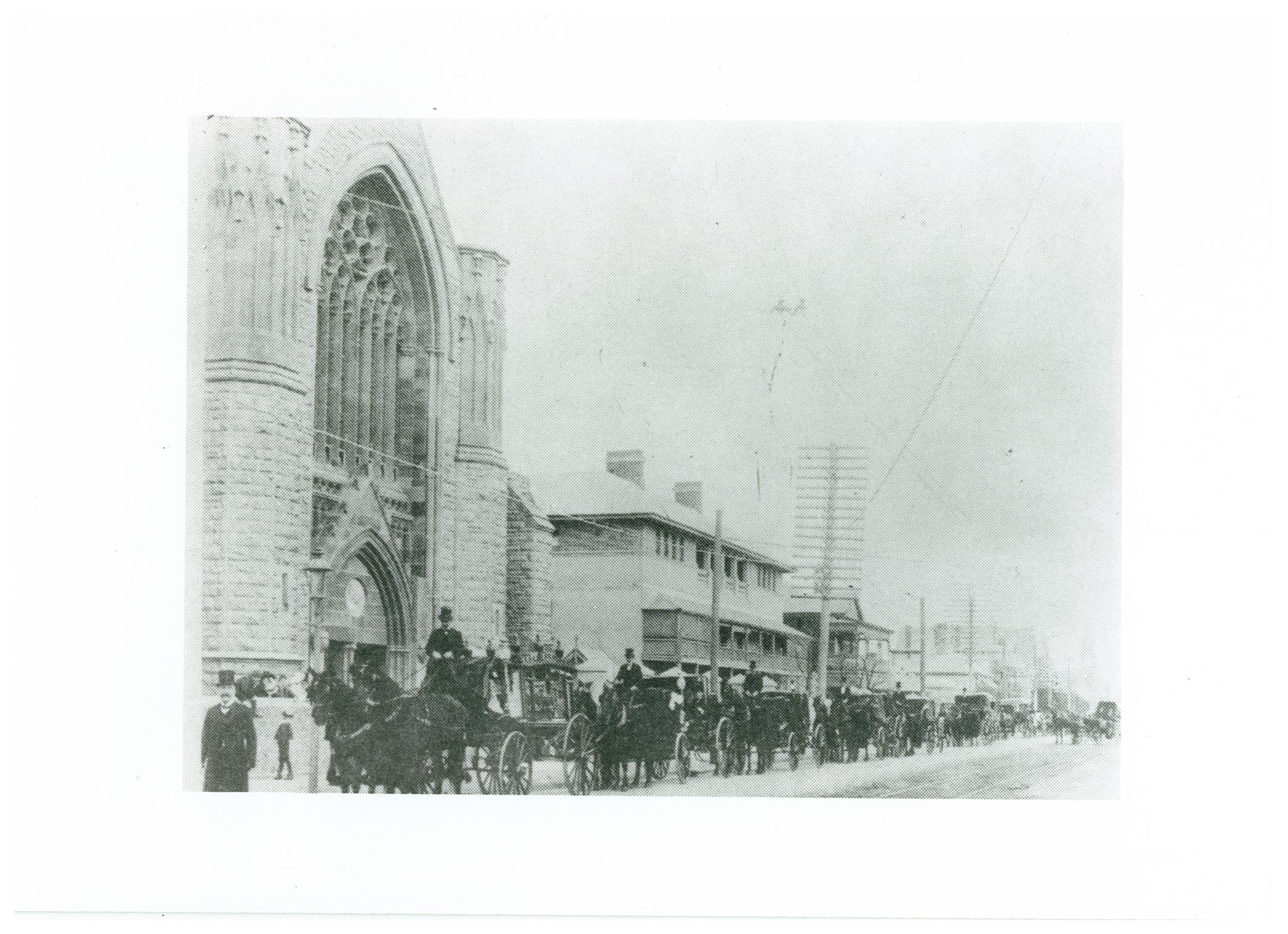
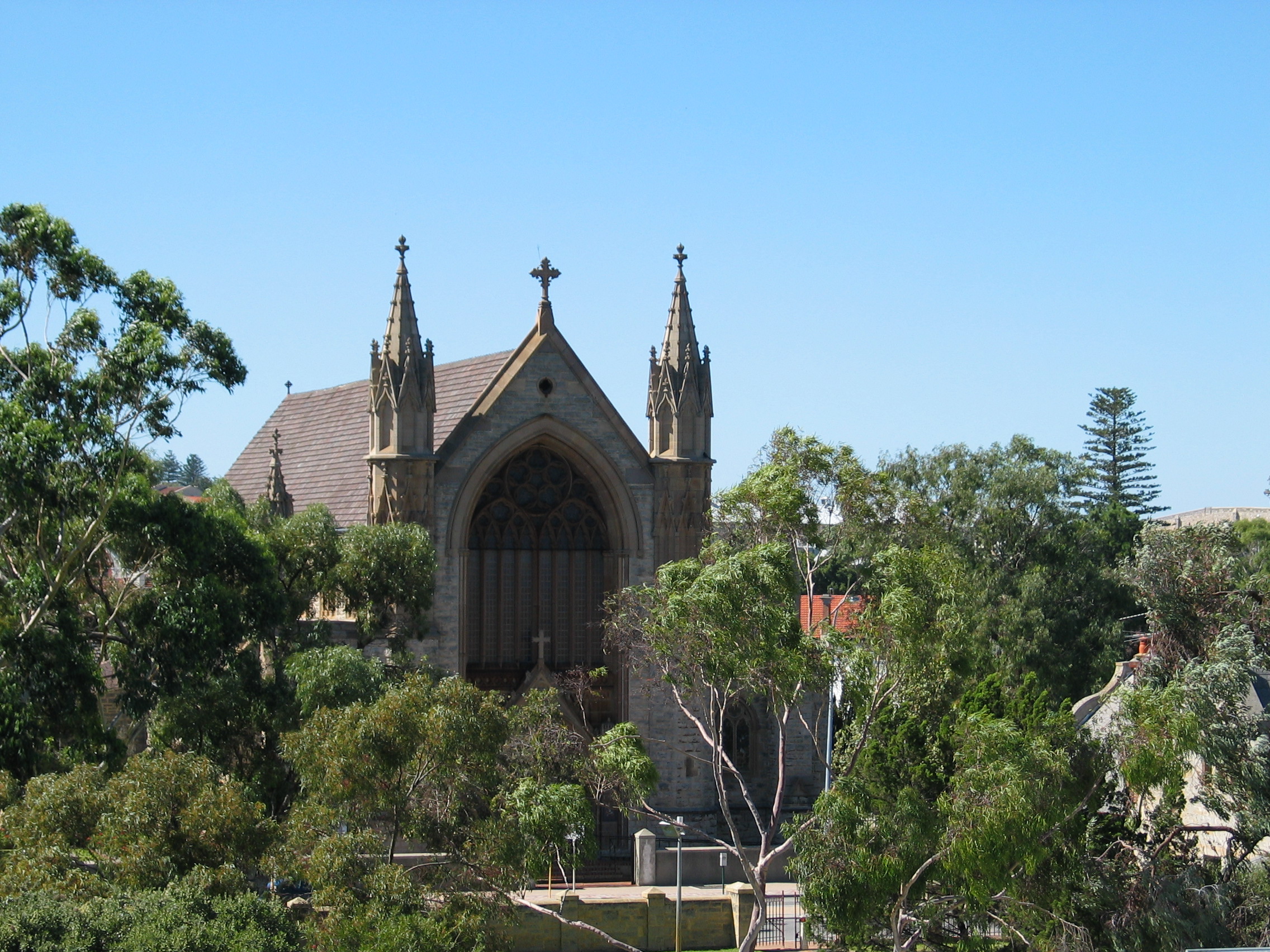
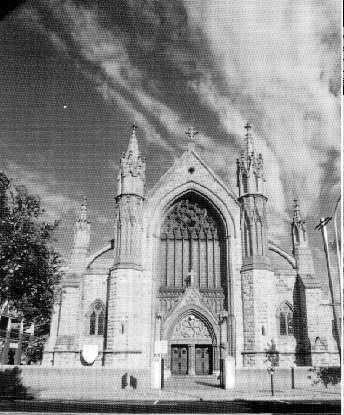
When the Provincial returned home his place was taken by Fr Thomas Ryan, then aged 37. Fr Ryan is to be credited with the vision and energy to commence the present Church, though circumstances prevented its completion. Designed by Michael Cavanagh, it is a fine local example of the revival of gothic architecture so popular in the nineteenth century. The beauty of a Church and its furnishings has always been a means of imparting a sense of the beauty of the Catholic faith and the beauty of the unseen God.